Neo Artifacts vs AutoChess / Other Dragonnest Titles: What Fans Can Expect
Neo Artifacts is made by the same publisher behind Auto Chess (Dragonest), but it’s a very different experience: a manual, Fire Emblem‑style SRPG about art‑personified characters, not an auto‑battler or economy‑driven draft like Auto Chess.
Core gameplay: SRPG vs auto‑battler
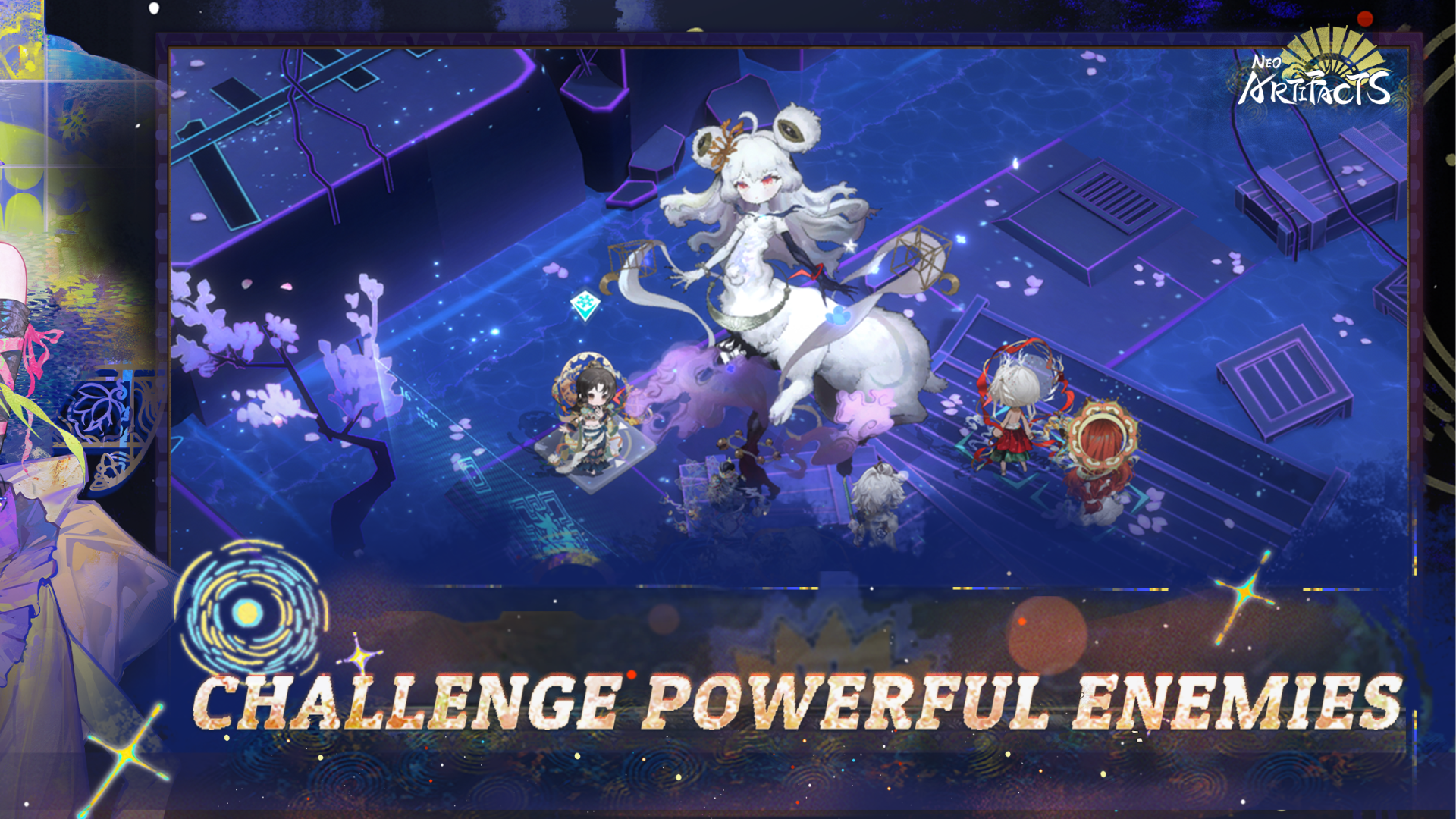
- Neo Artifacts: True turn‑based SRPG on an isometric grid; you move one Artifacter at a time, abuse terrain and elevation, and win by manual positioning and team roles. Auto exists but “auto sucks” for real content; players and reviewers stress that you must think and play manually for max rewards.
- Auto Chess / Dragonest titles: Round‑based auto‑battler where you draft pieces from a shop, combine duplicates, place them on a board, and then watch them fight automatically. Strategy is mostly in draft, economy, and positioning, not turn‑by‑turn micro.
If you’re coming from Auto Chess expecting another “sit back and watch the comp fight” game, Neo Artifacts is the opposite: it’s closer to “chess” than “auto chess.”
What Dragonest fans will recognise
You will recognise Dragonest’s priorities:
- Strategy over execution – Auto Chess was built around decisions mattering more than mechanics. Neo Artifacts does the same on a different axis: the devs lean hard into tactical grid play, punishing lazy auto‑battle and rewarding planning.
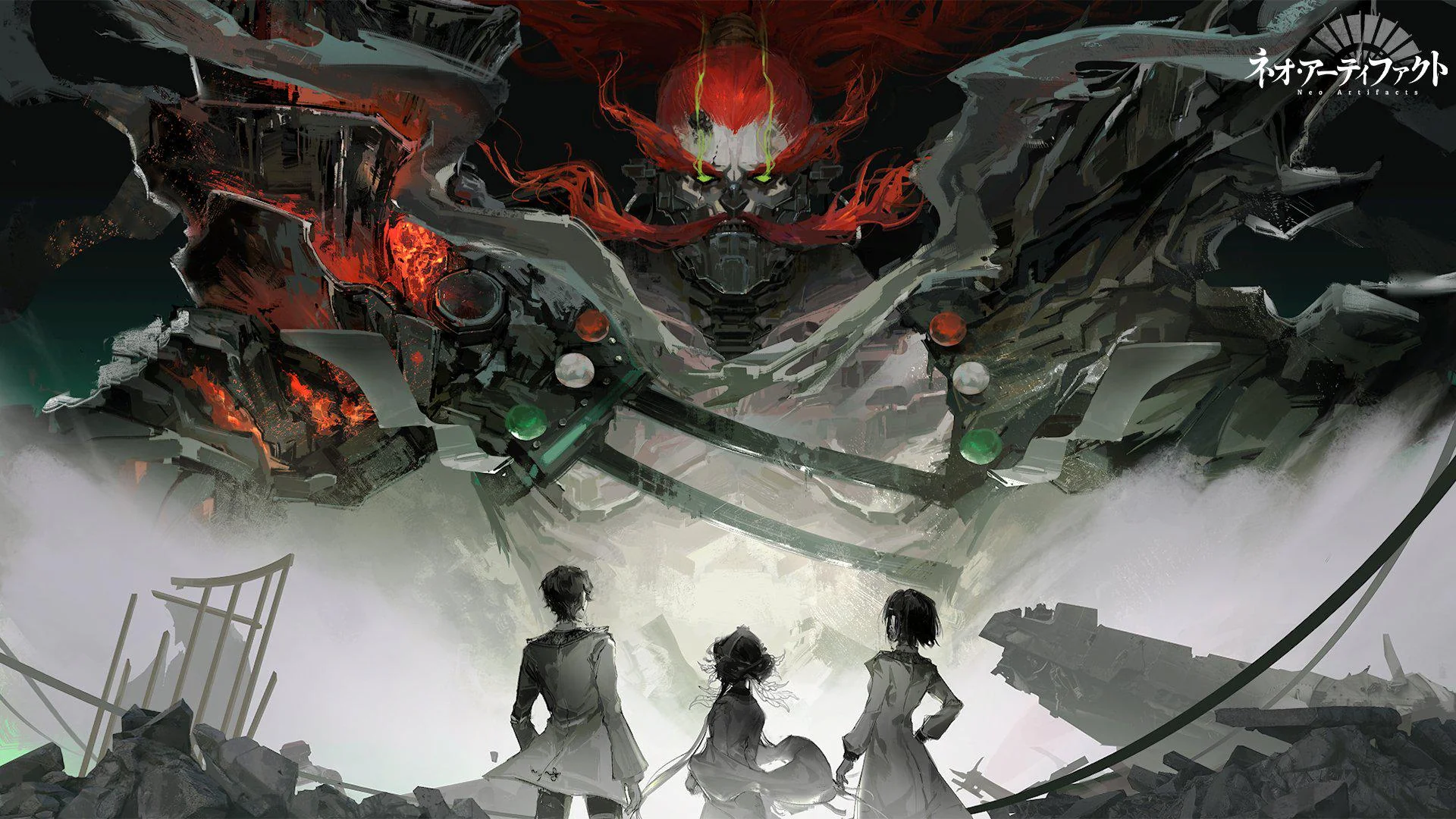
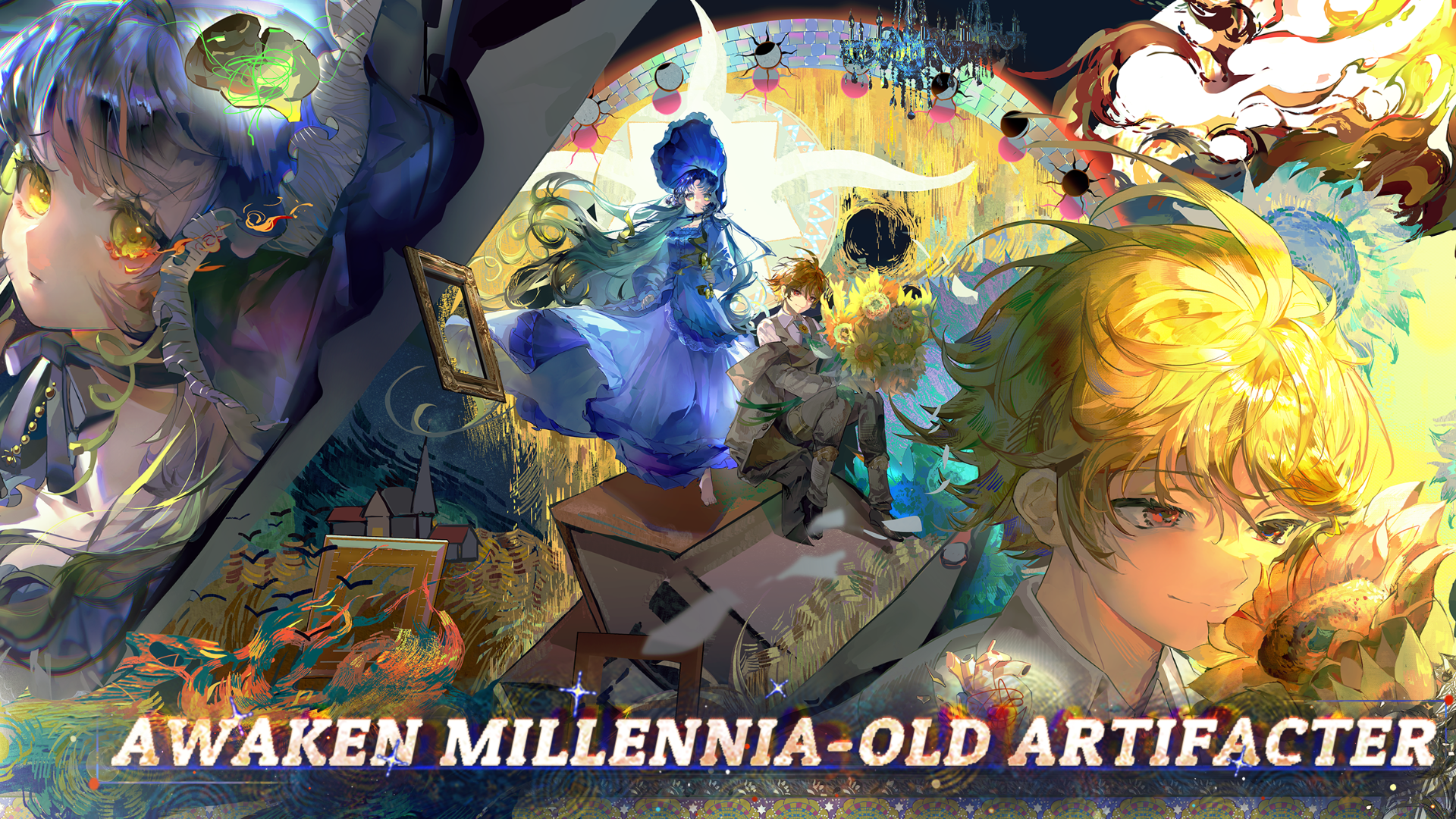
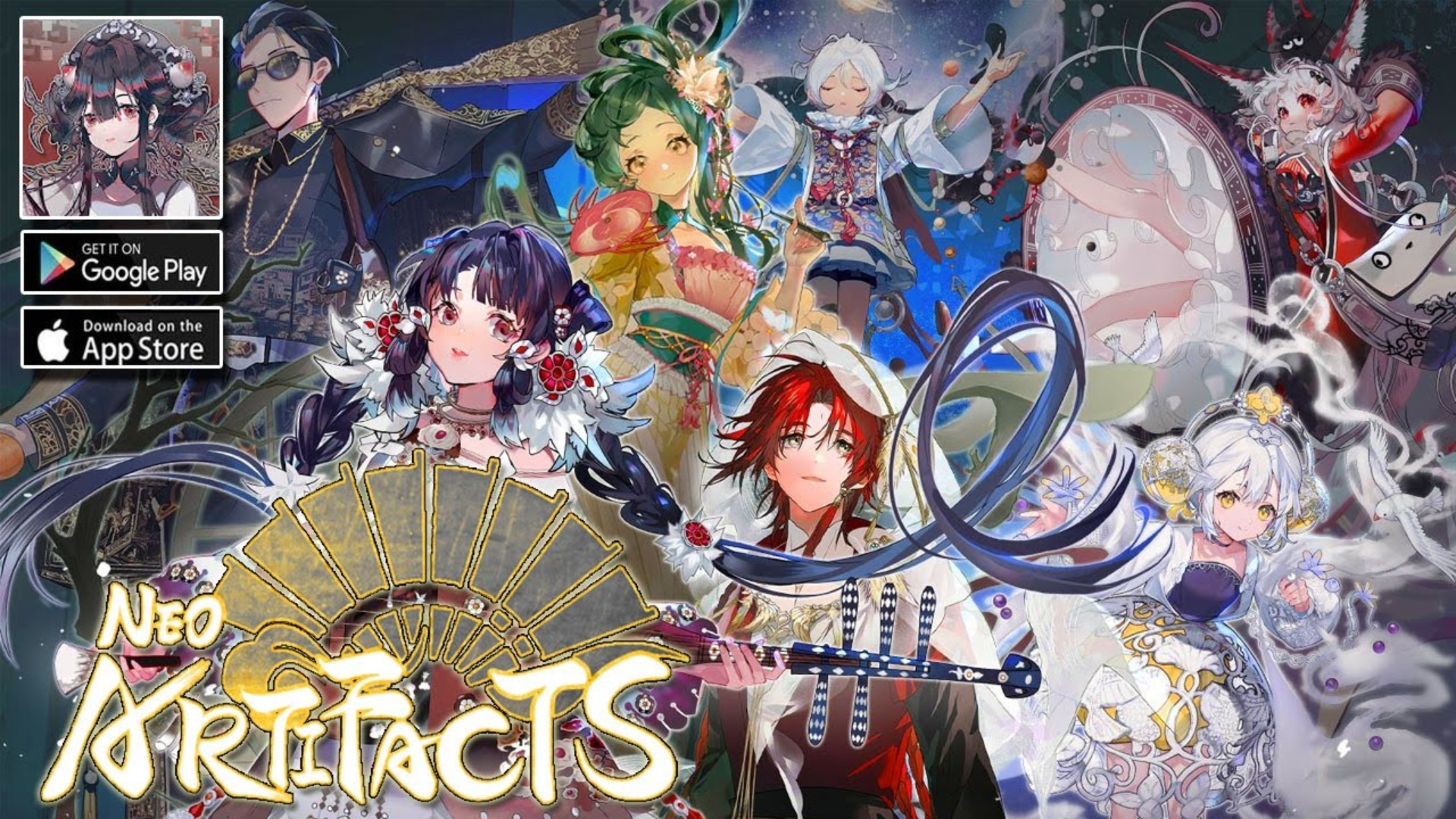
- Strong, cohesive art direction – Auto Chess rebuilt Dota pieces into its own stylised cast; Neo Artifacts applies that mindset to art history, turning Van Gogh paintings and historic relics into attractive characters.
- Short, readable rounds – Auto Chess games have fast, repeated rounds. Neo Artifacts maps are still more involved, but reviewers note they’re shorter than typical console SRPG missions, keeping things mobile‑friendly.
There’s even an Auto Chess x Neo Artifacts PV/crossover that explicitly cross‑markets the two IPs and sets up the shared “players who like strategic thinking” audience.
What’s completely different
- No drafting economy – There’s no round‑by‑round shop, gold interest, or rerolling system. You build teams from your permanent roster and pull new units via gacha instead of mid‑match drafts.
- Persistent builds, not ephemeral comps – Auto Chess comps reset every game; in Neo Artifacts you are investing long‑term in specific Artifacters (gear, Echoes, skills), more like Arknights or FEH.
- Art/museum fantasy vs chess pieces – Auto Chess characters are thematically loose; Neo Artifacts is tightly framed around “artifacts become people,” with story, combat roles, and visuals all anchored in real‑world art.
So: same company, same love of strategy, very different mechanical loop.
Expectations if you’re an Auto Chess player
If you liked Auto Chess for:
- Strategic planning and adaptation → You’ll likely enjoy Neo Artifacts’ grid tactics, especially Distortion stages where you have to plan around terrain and enemy patterns.
- Low mechanical APM → Neo Artifacts is turn‑based, so you get as long as you want to think, and there’s no juggling of timers or fast cursor micro.
- Seeing synergies pay off → Building around a carry like Starry Night or Chalice of Stability and watching them dominate maps scratches a similar itch to hitting a 3‑star piece at the right time.
If you mainly enjoyed Auto Chess for quick, low‑investment matches you can half‑watch, Neo Artifacts is more demanding: to get good results you can’t just spam auto; you have to play the grid.
Expectations if you’re a Dragonest fan in general
- You get polished 2.5D visuals and strong character art, with some players saying Neo Artifacts’ art style can “give Arknights competition” in terms of polish and mood.
- You don’t get the proven long‑term support history of something like Arknights yet; early analysis flags monetisation and CN‑vs‑global differences as concerns, so Dragonest still has to show it will nurture Neo Artifacts the way Auto Chess was nurtured.
Overall: Neo Artifacts is Dragonest’s attempt to do a strategy‑first, story‑driven SRPG instead of another Auto Chess. Fans should expect familiar “think first” design values wrapped in a very different, more manual and narrative-heavy package, with gacha monetisation layered on top.