Does Neo Artifacts Respect Art History? How Accurate The Designs And Stories Really Are
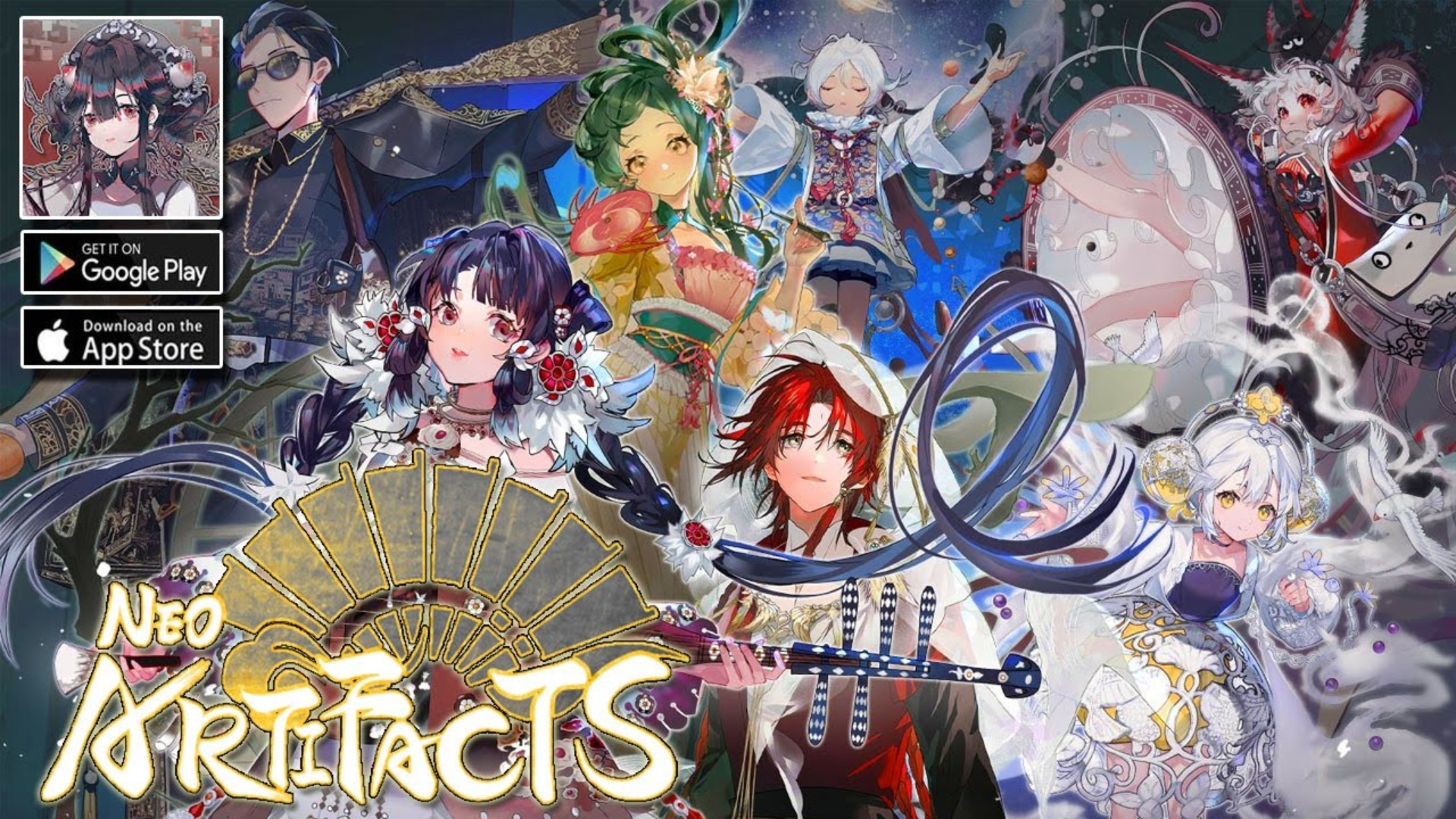
Neo Artifacts treats art history respectfully at the level of theme and mood but uses very stylised anime reinterpretations rather than museum‑grade accuracy, so it sits somewhere between homage and loose adaptation rather than being a strict educational title.
How faithful is the concept?
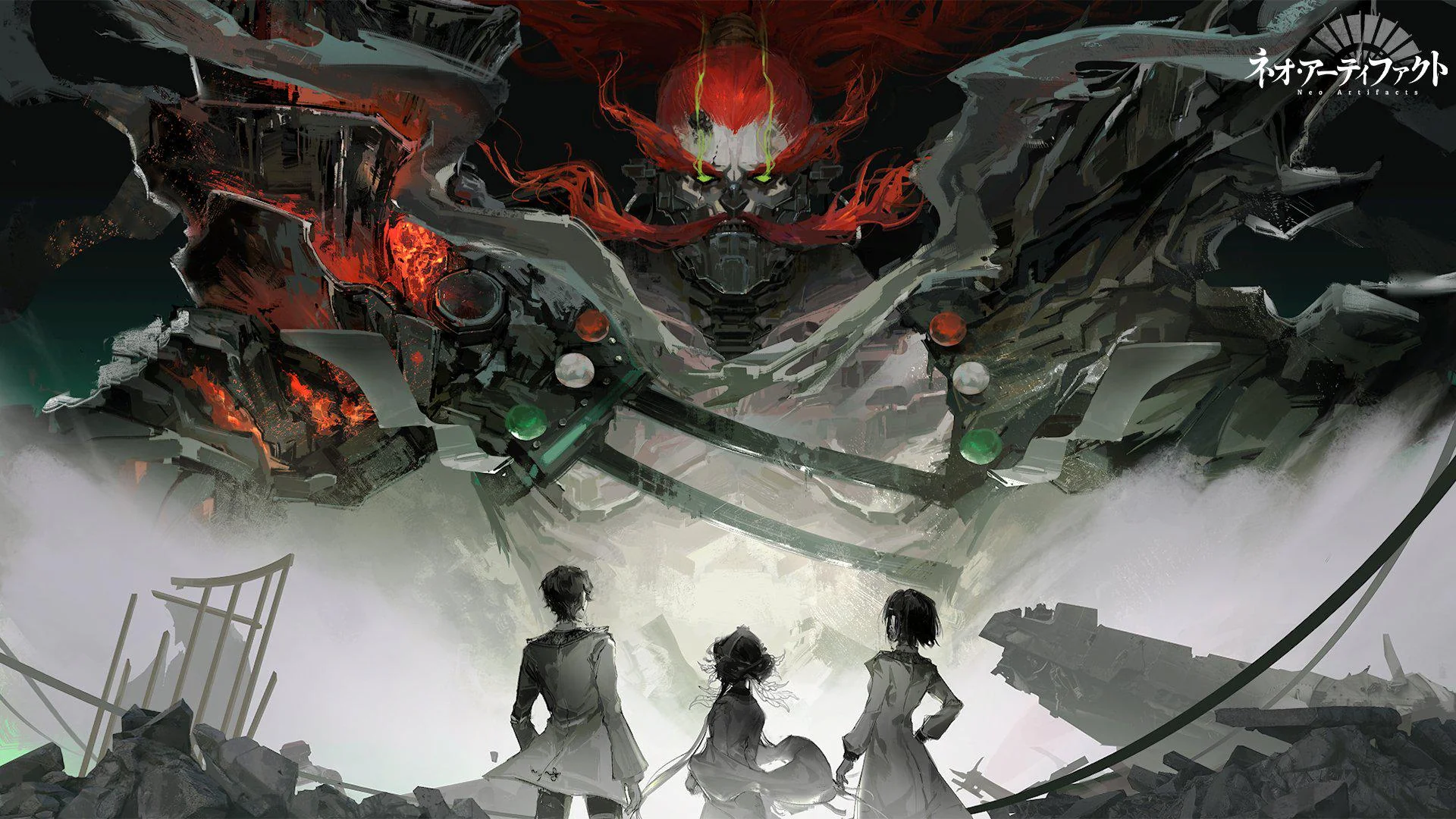
The core premise is genuinely art‑historical: Artifacters are born from “humanity’s most treasured objects and artworks,” and the story repeatedly emphasises preserving history, memory, and meaning against a corrupting force called Distortion. Lore write‑ups describe Distortion as a threat that warps or erases the context of paintings, relics, and places, and position Artifacters as guardians of those stories, not just flashy fighters.
That’s a thoughtful starting point. It acknowledges that original objects have histories and emotional weight, and it frames combat as part of a metaphor about protecting cultural heritage rather than just using art as a random skin.
Character designs vs real artworks
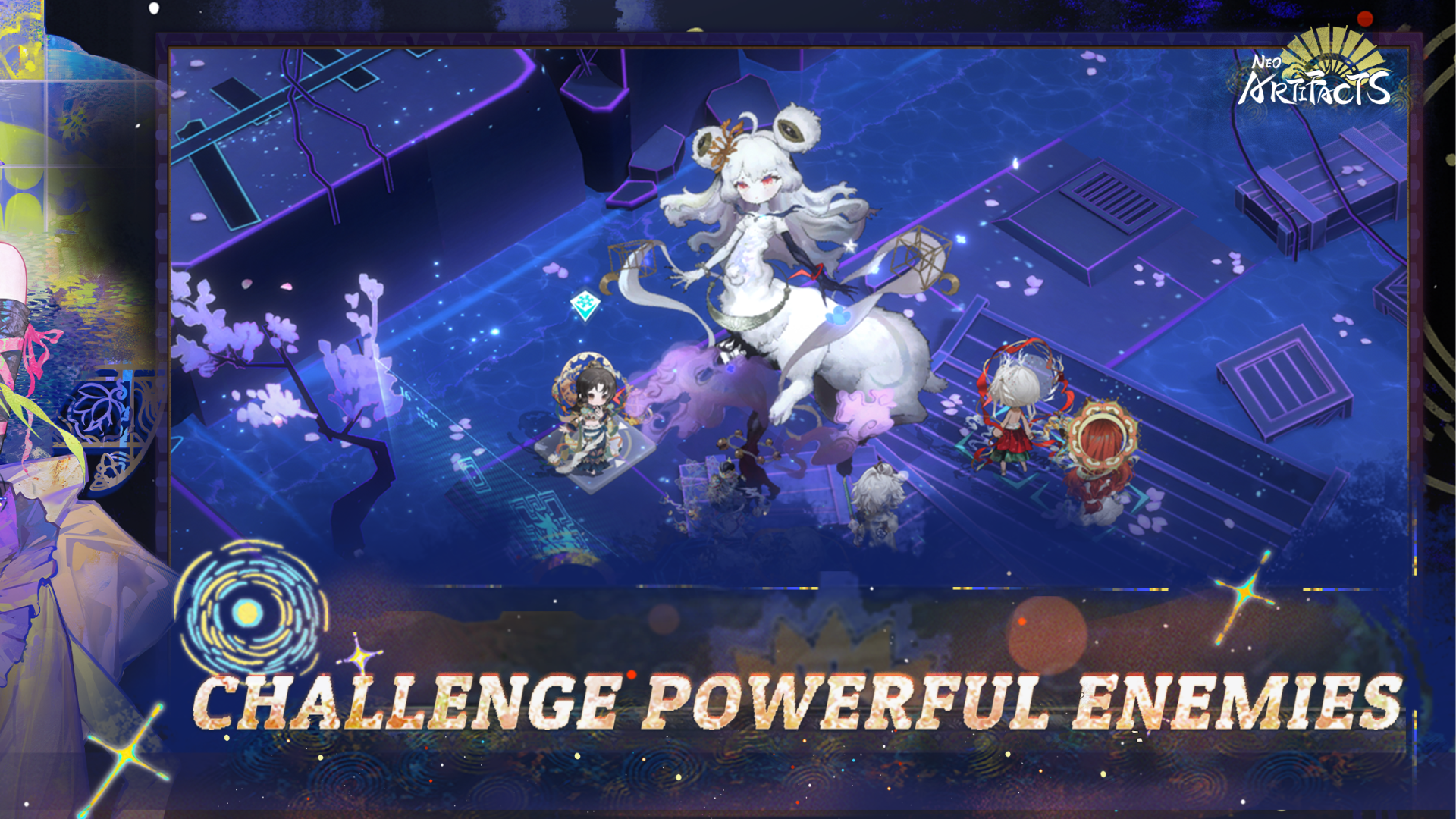
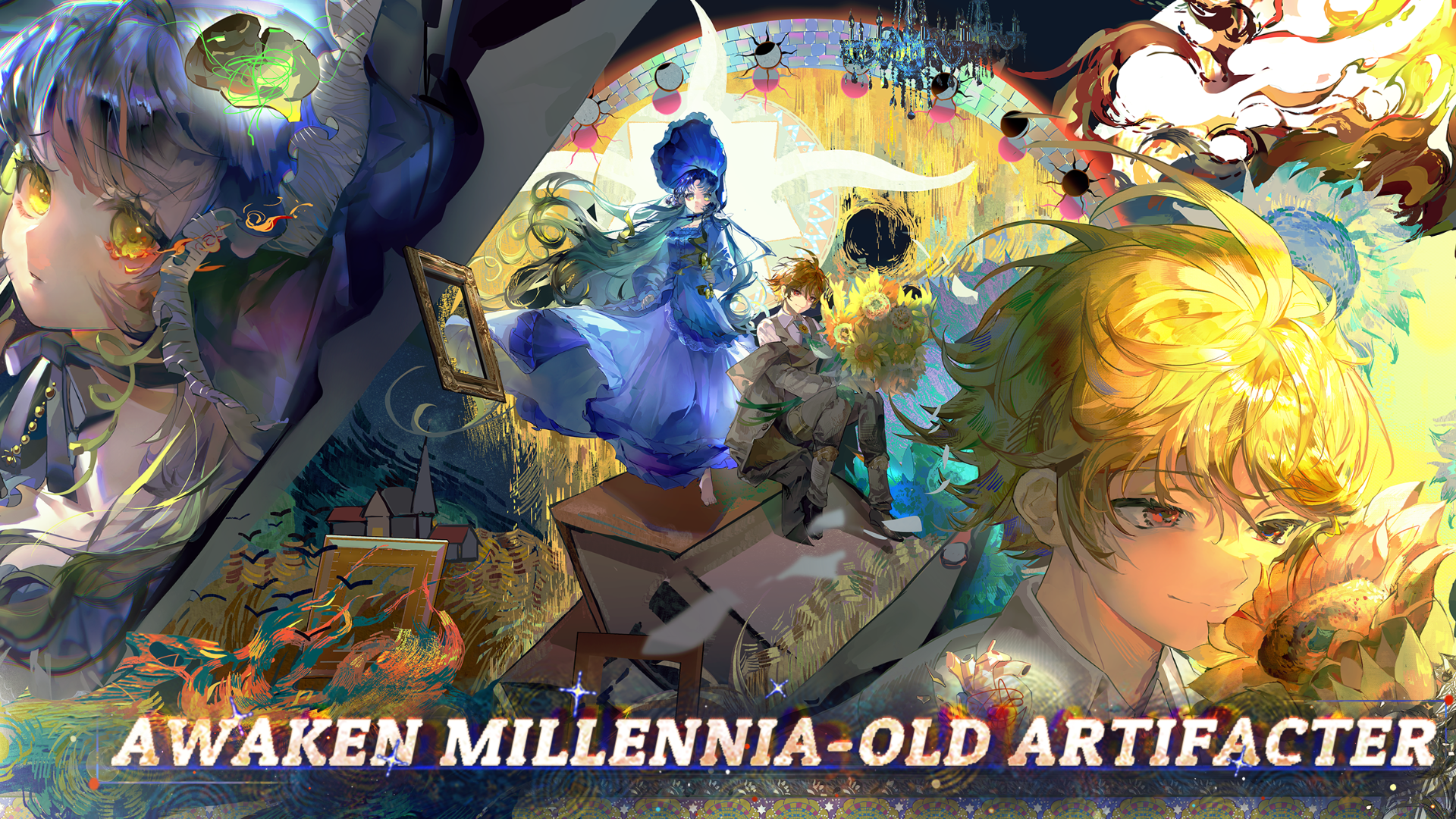
Reviews consistently note that Neo Artifacts “turns famous artworks and relics into highly stylised anime characters” and call out examples like a Van Gogh‑inspired Starry Night whose skill animations incorporate painterly motifs. Vietnamese coverage describes it more broadly as an SRPG that “personifies ancient treasures” such as Tutankhamun’s alabaster cup and Chinese ceramics into attractive characters.
So on the visual side:
- Designs clearly reference their source pieces (colour palettes, motifs, silhouettes, names), and you can often recognise the inspiration if you know the original.
- They do not aim for literal reconstructions or period‑accurate clothing; they are deliberately modern anime hybrids meant to appeal to gacha audiences.
In other words, the game respects the identity of the art but not its exact historical form, and that’s by design.
Story and theme accuracy
The broader story leans into preservation and interpretation in a way that aligns surprisingly well with how art historians think about artworks as carriers of meaning.
- The Kantie Foundation acts like a cross between a museum and a secret agency, “uncovering the histories and hidden truths of the Artifacters” and connecting their past to present events.
- Distortion is explicitly described as a corruption of history and memory, making campaigns about restoring original meaning rather than just killing monsters.
This doesn’t make Neo Artifacts a scholarly text, but it does mean the narrative treats art and artifacts as more than props: their histories matter to who the characters are and why the world is in danger.
Where it’s less “accurate”
There are also clear limits:
- Many designs are sexualised or idealised, especially in marketing aimed at “mỹ nữ hóa” (beautiful women from relics), which shifts focus from historical context to character appeal.
- The game doesn’t cite specific provenance, dates, or curatorial debates the way a museum label would; references are often at the level of “Egyptian relic” or “Chinese bronze vessel” rather than detailed catalog entries.
- There’s no sign it grapples with thorny topics like colonial collecting, restitution, or contested heritage; it keeps the treatment broadly celebratory and apolitical.
So while the themes line up with preservation and memory, the details are simplified and romanticised to fit a commercial SRPG.
Overall verdict
Neo Artifacts respects art history in spirit—it takes the idea that artworks and relics carry stories seriously, and builds its core conflict around protecting that meaning. But it absolutely prioritises stylish anime personifications and broad cultural flavour over strict historical accuracy, so it’s better thought of as a respectful homage to art history than as a reliable educational resource.