The Seven Deadly Sins Origin Versus Genshin Impact: Combat, Exploration, And Monetization Compared
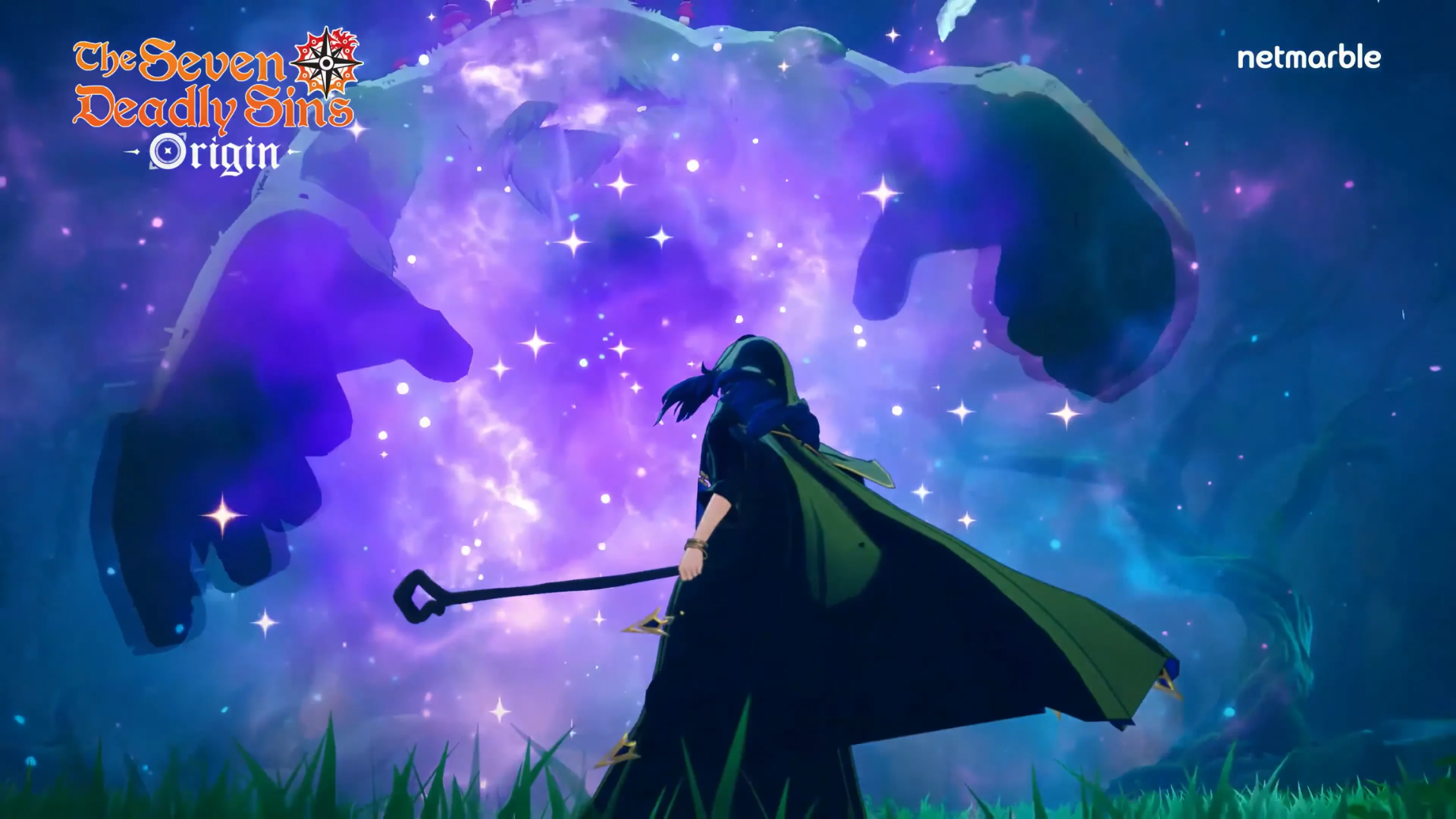
The Seven Deadly Sins: Origin and Genshin Impact share the same broad formula, anime open world + 4‑character parties + gacha monetization, but they diverge in combat depth, co‑op focus, and how aggressively they monetise. Genshin is a polished, mostly solo ARPG with intricate elemental reactions, while Origin leans into simpler, raid‑centric combat and Netmarble‑style monetization layers.
Combat: reactions vs Burst and raids
Both games use real‑time 4‑character combat, but they feel different.
- Genshin Impact
- Seven Deadly Sins: Origin
- Uses a four‑character party you swap between in real time, with each hero’s weapon setting their element and Elemental Burst behaviour.
- Elemental synergies exist (Wind pulls, Cold freezes, Earth barriers, Fire explosion fields), but early beta impressions call the combat “simpler” and note that many attack animations lock you in place and lack mechanics like perfect dodge or aerial combos.
- Designed heavily around big bosses, Tag Skills, and co‑op raids, so fights feel more like 3D MMO‑style patterns than pure character‑action.
If you want a high‑ceiling single‑player combat sandbox, Genshin wins; if you like reading big boss telegraphs, coordinating Tag interrupts, and playing raids with friends, Origin leans harder into that MMO‑ish direction.
Exploration: Teyvat vs Britannia
Both games offer large anime open worlds full of side activities.
- Genshin Impact
- Seven Deadly Sins: Origin
- Built in Unreal Engine 5, Origin offers an open‑world Britannia where players roam the Kingdom of Liones, Fairy King’s Forest, coasts, plains, etc.
- Beta impressions highlight warp points, fishing, cooking, crafting, catching animals, gathering, and interactive puzzles—“typical open‑world shenanigans” familiar from Genshin, but framed around 7DS story beats.
- Reviewers praise how the world feels “alive,” with unique environmental puzzles and character‑specific interactions that encourage trying different heroes.
- Origin bakes in 4‑player co‑op exploration and world bosses from day one, whereas Genshin’s co‑op is more limited and often secondary to solo play.
Exploration feel is similar, but Origin leans more on co‑op traversal and IP‑driven locales; Genshin still leads in puzzle density and region polish.
Monetization: miHoYo standard vs Netmarble stack
Both games use character/weapon gacha with pity, but their philosophies and ecosystems differ.
- Genshin Impact monetization
- Uses premium currency (Primogems) to roll on banners, with hard pity at 90 pulls for 5‑star characters (80 for weapon banners) and strong “soft pity” from ~75 pulls onward.
- A famous 50/50 system: your first 5‑star on a character banner has a 50% chance to be the rate‑up; losing the 50/50 makes the next 5‑star guaranteed.
- Has a relatively light battle pass and Welkin‑style monthly, but no subscriptions stacked as heavily as some Korean gachas; cosmetics are mostly skins sold separately, not stat‑boosting items.
- Seven Deadly Sins: Origin monetization
- Built on Netmarble’s IP‑driven formula from Grand Cross: gacha characters + gacha weapons, in‑app purchases, subscriptions, and live‑service events.
- Analysts describe Origin’s strategy as a blend of gacha, subscriptions (monthlies/weeklies), battle passes, and event bundles, with pre‑registration rewards and cross‑promotions leveraging both 7DS and Four Knights of the Apocalypse casts.
- Community concern focuses on Netmarble’s reputation for aggressive monetization and pay‑tilt systems in other titles, with players explicitly worrying Origin could be “heavily pay‑to‑win” despite a generous CBT.
In short: Genshin is the current “fairness standard” for pity clarity and relatively clean monetization layers, while Origin adopts a heavier Korean F2P stack (subs + passes + packs), closer to Grand Cross and Solo Leveling: Arise.
Social and co‑op focus
This is one of the clearest splits.
- Genshin Impact
- Seven Deadly Sins: Origin
- Marketed as a “Genshin‑like co‑op open‑world RPG” with 4‑player co‑op raids, world bosses, and cross‑play between PS5, PC, and mobile.
- Cooperative raid battles are a headline feature, shown at events like The Game Awards, with multi‑phase enemies and MMO‑style mechanics.
- Netmarble explicitly positions cross‑play as a social monetization driver, expecting people to group up across platforms and spend around that.
If you want a mostly single‑player ARPG with optional co‑op, Genshin fits better; if you like structured co‑op raids and cross‑platform multiplayer, Origin is designed more around that loop.
Who each game is best for
Based on combat, exploration, and monetization:
- Pick Genshin Impact if you want:
- Pick Seven Deadly Sins: Origin if you want:
- A 7DS/Four Knights IP‑driven world, with anime‑faithful Britannia and a new original story.
- More emphasis on co‑op, bosses, and raids, with cross‑play between mobile, PC, and PS5.
- A somewhat simpler combat system that still uses swapping and elemental Burst, but is more about big boss mechanics than intricate reaction tech.
Both can coexist in a gacha roster, but they cater to slightly different priorities: Genshin as a refined single‑player reaction ARPG, Origin as a 7DS‑branded, cross‑platform raid‑centric gacha with heavier monetization layers.


