The Seven Deadly Sins Origin Team Building 101: Roles, Elements, And Burst Synergy Basics
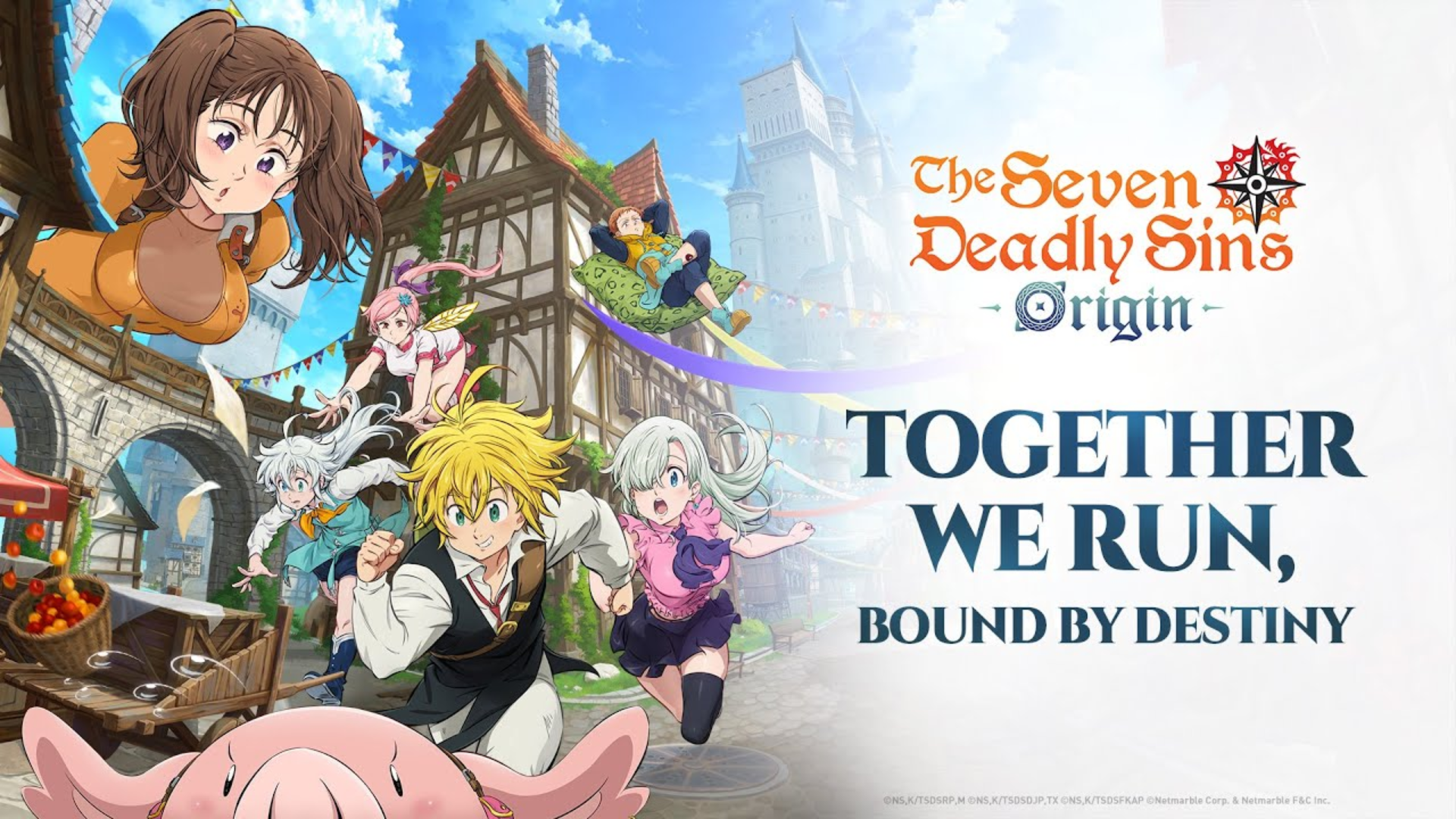
The Seven Deadly Sins Origin Artwork 3

Team building in The Seven Deadly Sins: Origin revolves around clear roles, smart element coverage, and timing Elemental Burst windows with swaps and tag skills. Once those three basics click, almost any roster can be shaped into a strong team for story and bosses.​​

Core combat roles

Origin uses classic RPG roles, but each hero can change function with different weapons.

  • Main DPS (damage dealer)
    • Uses high‑multiplier skills and Burst windows to delete bosses or big packs; often built with crit/attack and Burst‑buffing weapons.
    • Example pattern: a melee or ranged hero whose Burst or weapon passive massively boosts attack and crit when Elemental Burst triggers.
  • Support / buffer / healer
    • Provides attack/defense buffs, healing, shields, or enemy debuffs; usually opens fights and preps Burst windows.​
    • Many supports also help build Burst quickly with multi‑hit or element‑stack skills.​​
  • Tank / frontliner / control
    • Soaks damage, applies taunts, or controls enemies (pulls, freezes, etc.) to keep pressure off your DPS.​​
    • Often leans on elements and weapons that create barriers, grouping effects, or hard CC during Burst.​​

A basic, safe team is: 1 main DPS, 1 support, 1 defensive/CC unit, 1 flex (extra DPS or utility).​

Elements and weapon basics

Elements are tied to your weapon, not just the hero, and they define both damage type and Burst effect.​​

  • Weapon‑bound elements
    • There are eight elements, and each weapon slot on a hero can carry a different element; swapping weapons changes the hero’s element, skills, and Ultimate.​​
    • Some heroes can cover multiple elements via different weapons, letting them flex between roles or team needs.​
  • Example Burst effects (per CM Kurono and CBT breakdown)
    • Wind: When Burst triggers, creates a “small tornado” around the target that pulls in nearby enemies, enabling AoE combos.​​
    • Fire: After Burst, taking damage triggers an explosion on the target for extra damage, great for nuking grouped mobs.​​
    • Cold: Burst applies Cold stacks; attacking with Cold adds stacks, and hitting max stacks freezes the target, providing strong control.​
    • Earth: Burst generates a barrier that can stack up to 5 layers above your character, greatly increasing survivability.​​
    • Holy & Physical: Do not create their own Burst field; instead, they increase Burst Gauge gain for the most recently used element, accelerating future Bursts.​​
  • Practical element rules
    • Always bring at least two different Burst‑generating elements (for example Wind + Cold, or Fire + Earth) so you can both control and survive.​​
    • Use Holy/Physical weapons on units whose job is to feed Burst for your main CC/damage elements.​

How Elemental Burst works

Burst is the core combat system that defines how your team feels in fights.​​

  • Building Burst
    • Each hero/weapon pair has an element; dealing elemental damage with that weapon fills an Elemental Burst Gauge.​
    • When the gauge is full, triggering Burst applies that element’s special effect (Wind pull, Fire explosion, etc.) around the target and often grants buffs or barriers.​​
  • Using Burst offensively
    • Typical high‑DPS rotation from advanced guides:
      • Setup hero → Burst hero → DPS hero.
      • Use a hero that quickly charges a specific Burst (for example Wind to group or Cold to freeze).​
      • When Burst fires and the field/debuff is active, swap to your main DPS and unload Tag Skill, skills, and Ultimate into grouped/frozen/softened enemies.​​
  • Using Burst defensively
    • Earth Burst’s stacking barrier and certain weapon passives give huge damage mitigation, letting you survive boss mechanics.
    • Cold Burst’s freeze can interrupt dangerous attacks or pin priority targets.​​

The key is not just having Burst, but planning your swaps so DPS always hits during or right after a Burst effect.​​

Basic team archetypes you should aim for

Using those systems, most beginner teams fall into a few simple but effective templates.​​

  • Balanced PvE team
    • 1 main DPS (Fire / Physical Holy hybrid, Burst‑buff weapon).
    • 1 support (Holy/Physical or Wind, for buffs + Burst feeding).​
    • 1 control or tank (Cold, Wind, or Earth for freeze, pull, or barrier).​​
    • 1 flex (extra DPS or support whose weapon fills whatever element you’re missing).
  • Burst‑chain team (bosses)
    • Hero A on Wind or Cold: quickly charges Burst to group or freeze.​​
    • Hero B on Earth: activates Earth Burst for barrier in dangerous phases.​​
    • Hero C main DPS with a Burst‑scaling weapon (e.g., Black Flame Wings Axe/Nunchaku for big ATK/crit buffs on Burst).
    • Hero D support with Holy/Physical weapon to pump Burst Gauge between phases.​
  • Safe exploration/story team
    • 1 sturdy DPS (Earth/Fire with defensive passives).
    • 1 healer/support (Holy/Physical, Wind for grouping if possible).​​
    • 1 CC element (Cold/Wind) to control dangerous packs.​​
    • 1 utility hero whose passives help exploration (treasure/fragment detection, movement buffs, etc.).​

When in doubt, build around one Burst that groups or CCs, one Burst that protects, and one hero whose weapon gets stronger when Burst triggers, then practice swap timing so your DPS always hits inside those windows.​​

Jake is an SEO-minded Football, Combat Sports, Gaming and Pro Wrestling writer and successful Editor in Chief. Most importantly, he is a Gacha players who specialises in Genshin Impact. On top of that, Jake has more than ten years of experience covering mixed martial arts, pro wrestling, football and gaming across a number of publications, starting at SEScoops in 2012 under the name Jake Jeremy. His work has also been featured on Sportskeeda, Pro Sports Extra, Wrestling Headlines, NoobFeed, Wrestlingnewsco and Keen Gamer, again under the name Jake Jeremy. Previously, he worked as the Editor in Chief of 24Wrestling, building the site profile with a view to selling the domain, which was accomplished in 2019. Jake was previously the Editor in Chief for Fight Fans, a combat sports and pro wrestling site that was launched in January 2021 and broke into millions of pageviews within the first two years. He previously worked for Snack Media and their GiveMeSport site, creating Evergreen and Trending content that would deliver pageviews via Google as the UFC and MMA SEO Lead. Jake managed to take an area of GiveMeSport that had zero traction on Organic and push it to audiences across the globe. Jake also has a record of long-term video and written interview content with the likes of the Professional Fighters League, ONE and Cage Warriors, working directly with the brands to promote bouts, fighters and special events. Jake also previously worked for the biggest independent wrestling company in the UK, PROGRESS Wrestling, as PR Head and Head of Media across the social channels of the company.