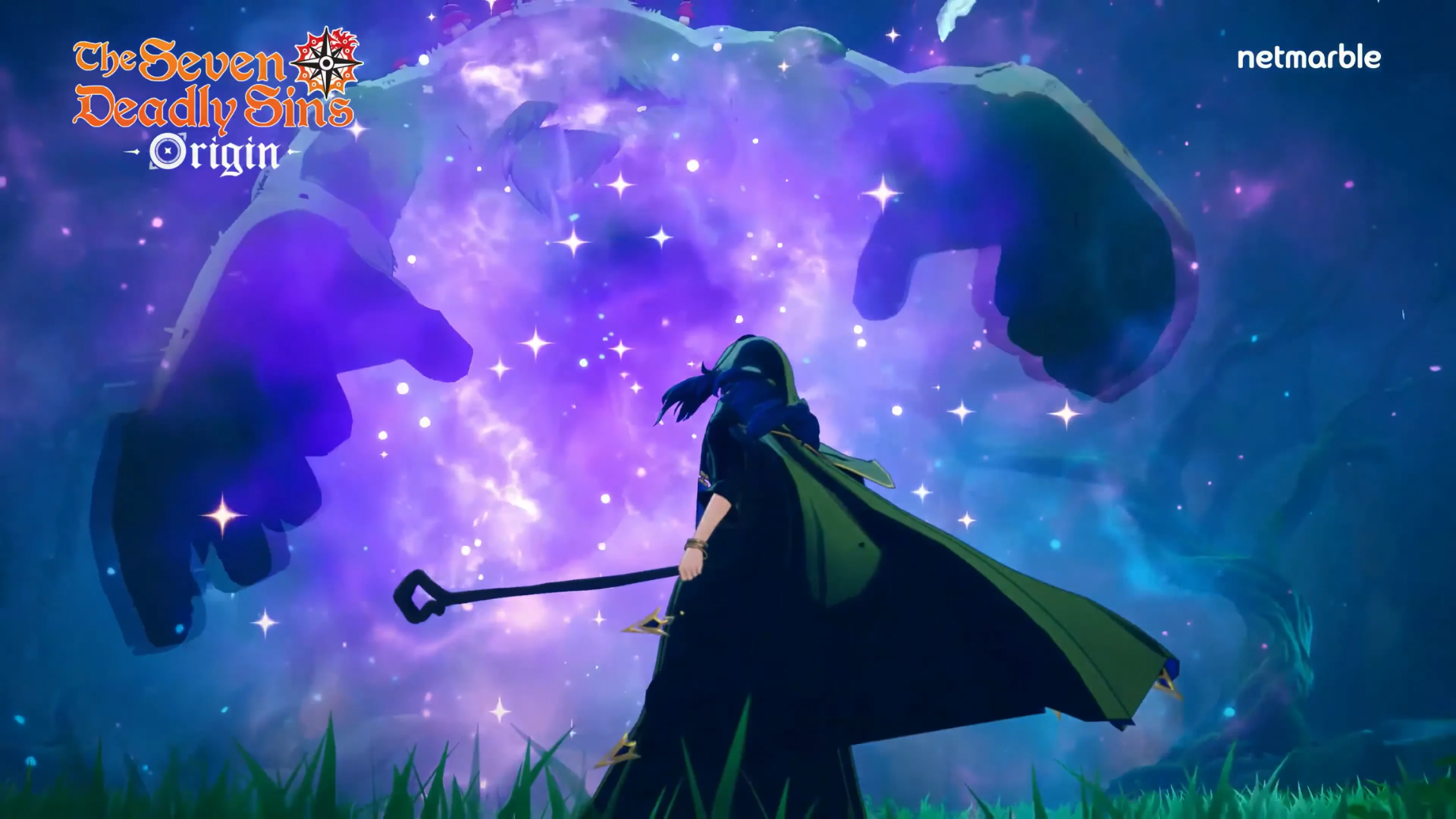
The Seven Deadly Sins Origin Open‑World Design Analysis: What It Does Differently From Other Anime RPGs

The Seven Deadly Sins: Origin looks like another “Genshin‑like” at a glance, but its open‑world design leans much harder into canon‑driven Britannia, multiverse storytelling, and co‑op raid structure than most anime RPGs. It uses the familiar climb‑glide‑puzzle template, but layers in IP‑specific locations, time‑of‑day secrets, and shared multiplayer goals that give the world a different flavour.
Lore‑first Britannia instead of generic fantasy
Many anime RPGs build original settings loosely inspired by their source, while Origin starts from canon Britannia and then expands it.
- Canon expansion
- Producer Do‑Hyung Koo describes Origin as “a next‑generation open‑world action RPG” connecting the original Seven Deadly Sins and Four Knights of the Apocalypse, with a new story that’s still canon.
- The team “expanded on events and backstories that were only briefly mentioned” in the manga, turning them into side quests and secret dungeons to fill lore gaps.
- World as a character
By contrast, many other anime ARPGs (and even some licensed ones) invent fairly generic continents with thinner ties to the source material.
Large, layered sandbox rather than just checklists
On paper Origin shares a lot with other open‑world anime RPGs, but the breadth and layering are a core design priority.
- Size and structure
- Britannia is roughly 30 km² at launch, a fully explorable map built in Unreal Engine 5 with diverse biomes and dynamic weather.
- The world includes hidden dungeons, treasures, and secrets scattered across land, sea, and sky, accessible via climbing, swimming, gliding, contraptions, and mounts/companions.
- Activity mix
- The game deliberately offers “a variety of content that can be enjoyed freely, including exploration, puzzles, collection, capturing, life activities, and multi‑events,” aiming for “layered enjoyment that goes far beyond combat alone.”
- Game8’s review lists fishing, cooking, mining, crafting, catching creatures, and solving environmental puzzles as core gameplay, not side mini‑games.
Most anime RPGs have versions of these activities, but Origin’s design pitch is explicitly about layering many systems in the same world so that wandering off the main path constantly leads to something different to do.
Time, weather, and “hidden pet” discovery
Origin pushes environmental interactivity further with time‑ and weather‑locked collectibles.
- Hidden pets and conditional spawns
- Koo notes there are “special pets hidden across the map that only appear under certain weather conditions or at specific times of day.”
- Exploring islands and observing conditions leads to “unexpectedly encountering and collecting these unique creatures,” adding a “digital pet collecting” layer on top of normal exploration.
This design, tying collectibles to systemic world states like weather and time, goes beyond simple chest hunting and gives the map a more simulation‑like rhythm, encouraging repeated visits to the same area under different conditions.
Multiverse narrative and co‑op embedded into the world
Where many anime ARPGs treat co‑op as an optional add‑on, Origin bakes shared play and multiverse storytelling directly into its open‑world structure.
- Multiverse and traversal
- Netmarble’s PS5 blog describes a “distinctive multiverse narrative” where players see moments of Meliodas and Tristan gliding across Britannia on flying pets, teasing traversal between “multiple timelines.”
- This framing lets the world host events and locations from different points in the series’ timeline without feeling like disjointed fan‑service.
- Co‑op focus
- The same trailer highlights large‑scale real‑time cooperative raid battles integrated into the open world, emphasizing Origin as a “multiplayer‑focused open‑world RPG” rather than a strictly solo adventure.
- Cooperative exploration and coordinated boss fights are presented as core systems, not side modes.
Compared to typical anime ARPGs, often single‑player first with limited co‑op, Origin’s world is designed from the ground up for shared traversal and raid‑style encounters.
Visual identity: anime‑faithful screenshots over hyper‑realism
Finally, Origin’s open‑world art direction is tailored to look like directly lifted anime frames, which affects how places are built.
- Screenshot‑style visuals
- Developer commentary notes the team aimed for a style where “any screenshot could look like a scene from the anime,” prioritising consistent anime fidelity over hyper‑real lighting or over‑detailed textures.
- Reviews echo that the “completeness of Britannia” is notable because familiar locations feel like walking through the show, not just loosely inspired areas.
Other anime RPGs often lean either into highly stylised cel‑shading or semi‑realistic rendering; Origin’s visual choices are about preserving the feeling of the 7DS anime across a very large map.
Taken together, canon‑driven Britannia, layered sandbox activities, time‑ and weather‑gated discoveries, multiverse co‑op framing, and anime‑faithful art, The Seven Deadly Sins: Origin carves out an open‑world identity that is clearly inspired by modern anime ARPGs but still distinct in how it builds and uses its world.