Persona 5 The Phantom X Differences Guide: What Makes It Unique?
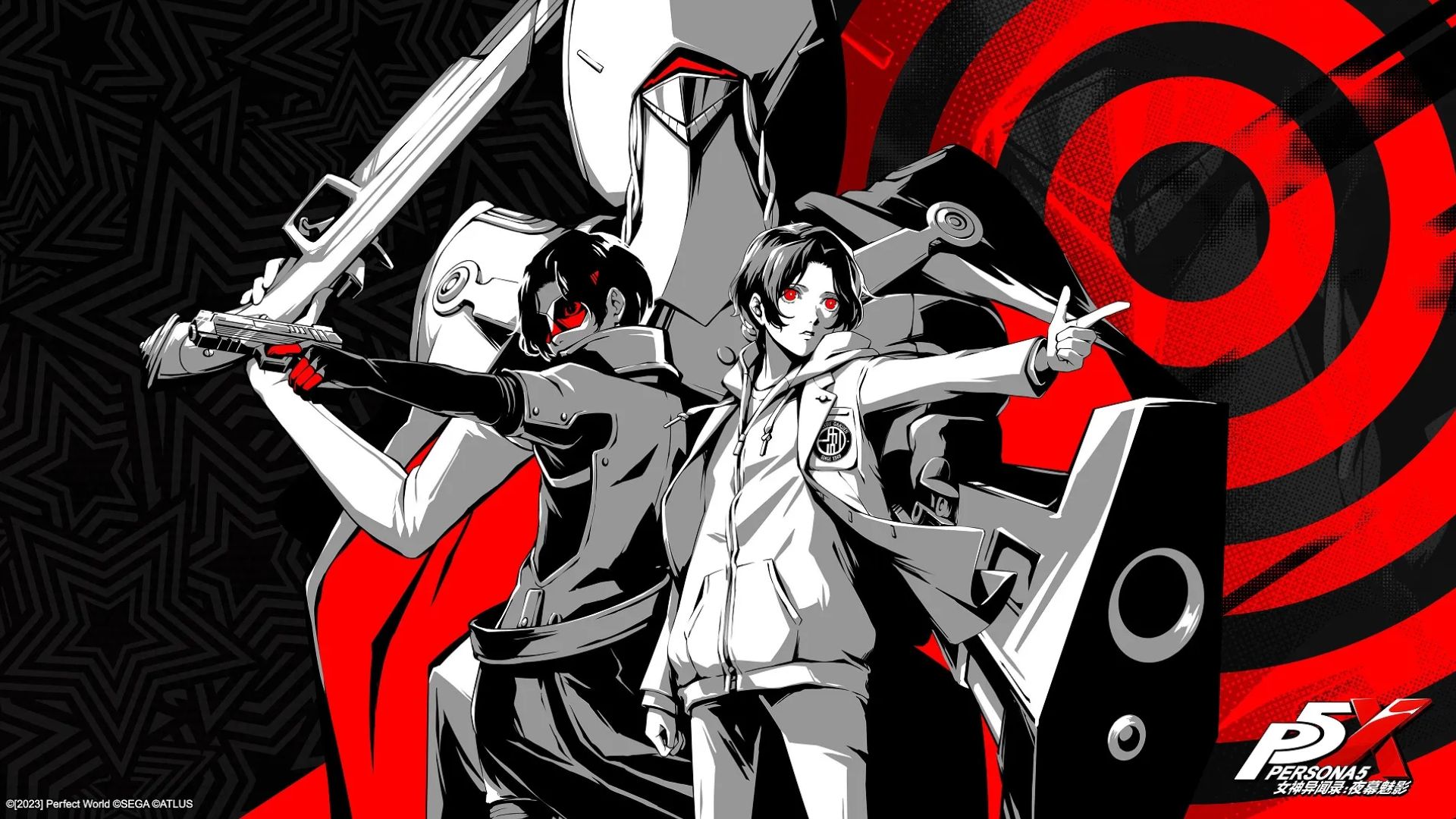
Persona 5 The Phantom X (P5X) keeps the core feel of Persona 5, turn-based combat, Palaces, Bonds, and life-sim structure, while reimagining it as a free-to-play, multi-platform gacha RPG. The differences come from how it handles combat flow, structure, monetization, and long-term progression.
Live-Service Structure and Gacha Focus
P5X is designed as an ongoing live-service gacha game instead of a one-and-done premium JRPG.
- It replaces Persona 5’s date-based year with stamina/energy systems and recurring events, raids, and guild content to keep players logging in across patches.
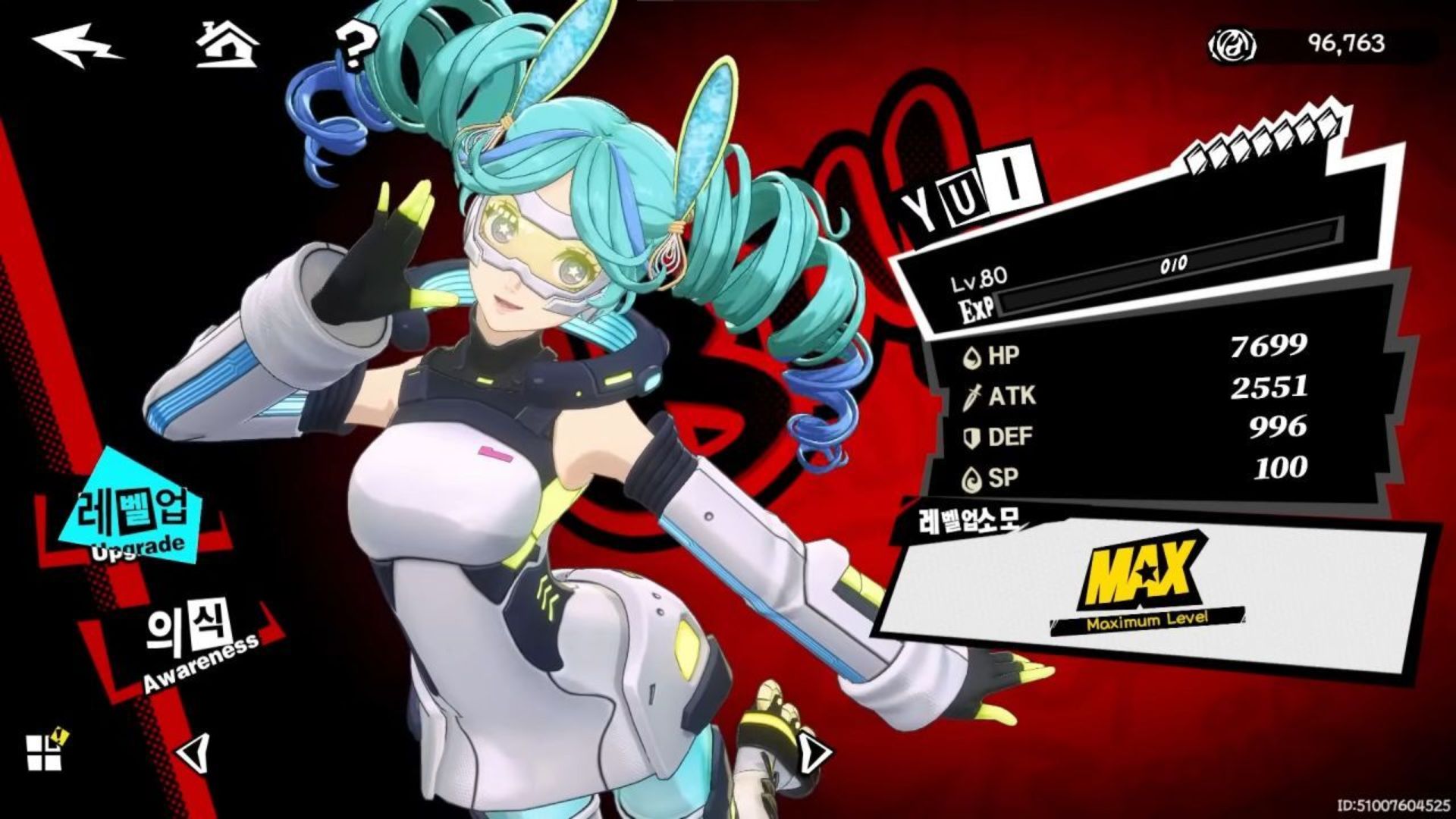
- Persona acquisition, collab characters, and even classic Phantom Thieves are tied to gacha banners and long-term progression rather than fixed story unlocks.
This makes P5X part traditional Persona, part long-horizon account builder closer to other top-end gacha titles.
New Protagonist, Cast, and Timeline
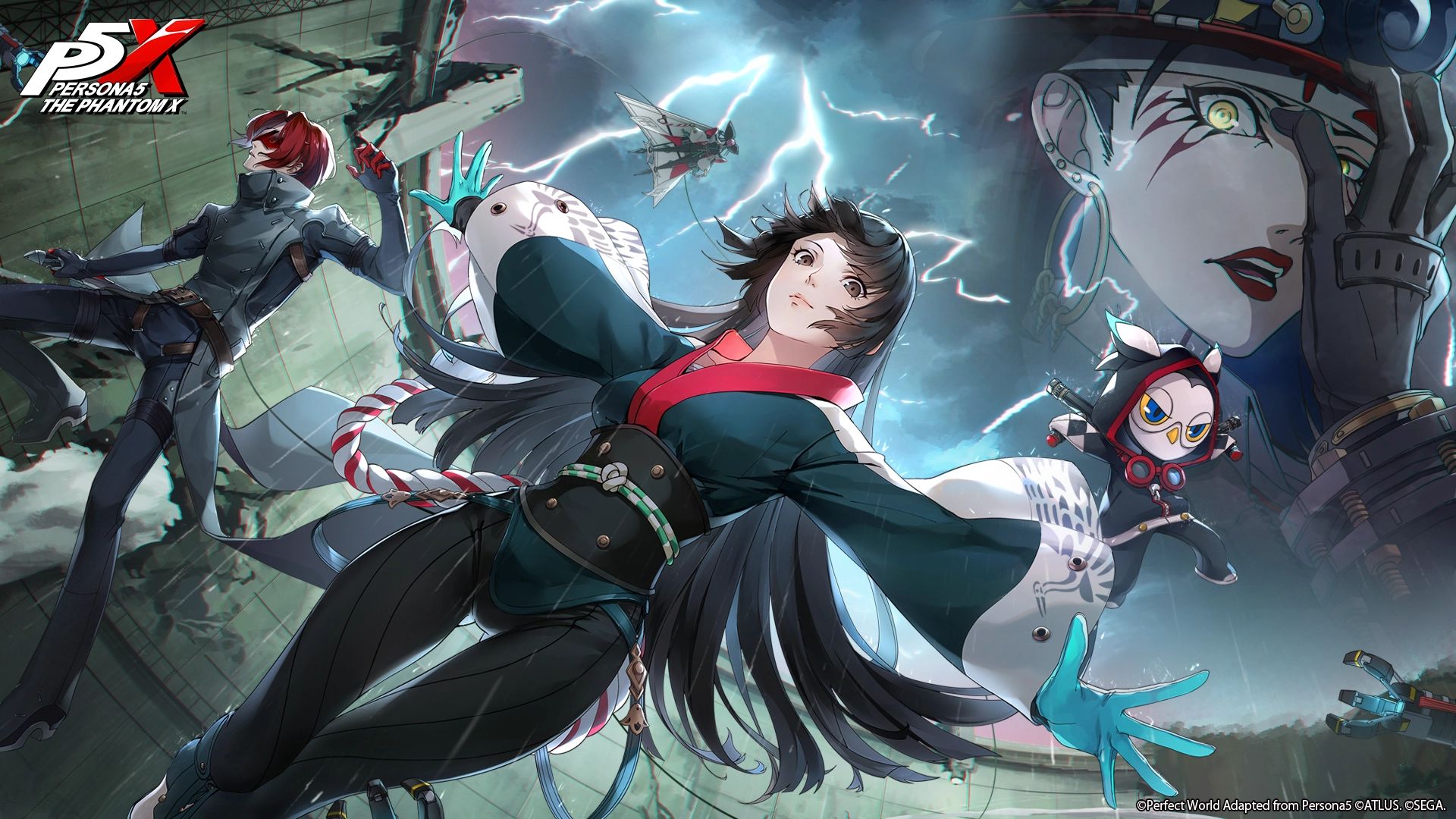
Instead of Joker, P5X centers on Nagisa Kamishiro (Wonder) and a brand-new Phantom Thieves crew, with an owl mascot Luffy replacing Morgana’s role.
- The game is set in a separate continuity/timeline but still in modern Tokyo, with familiar areas like Shibuya and the Metaverse returning alongside new dungeons and story arcs.
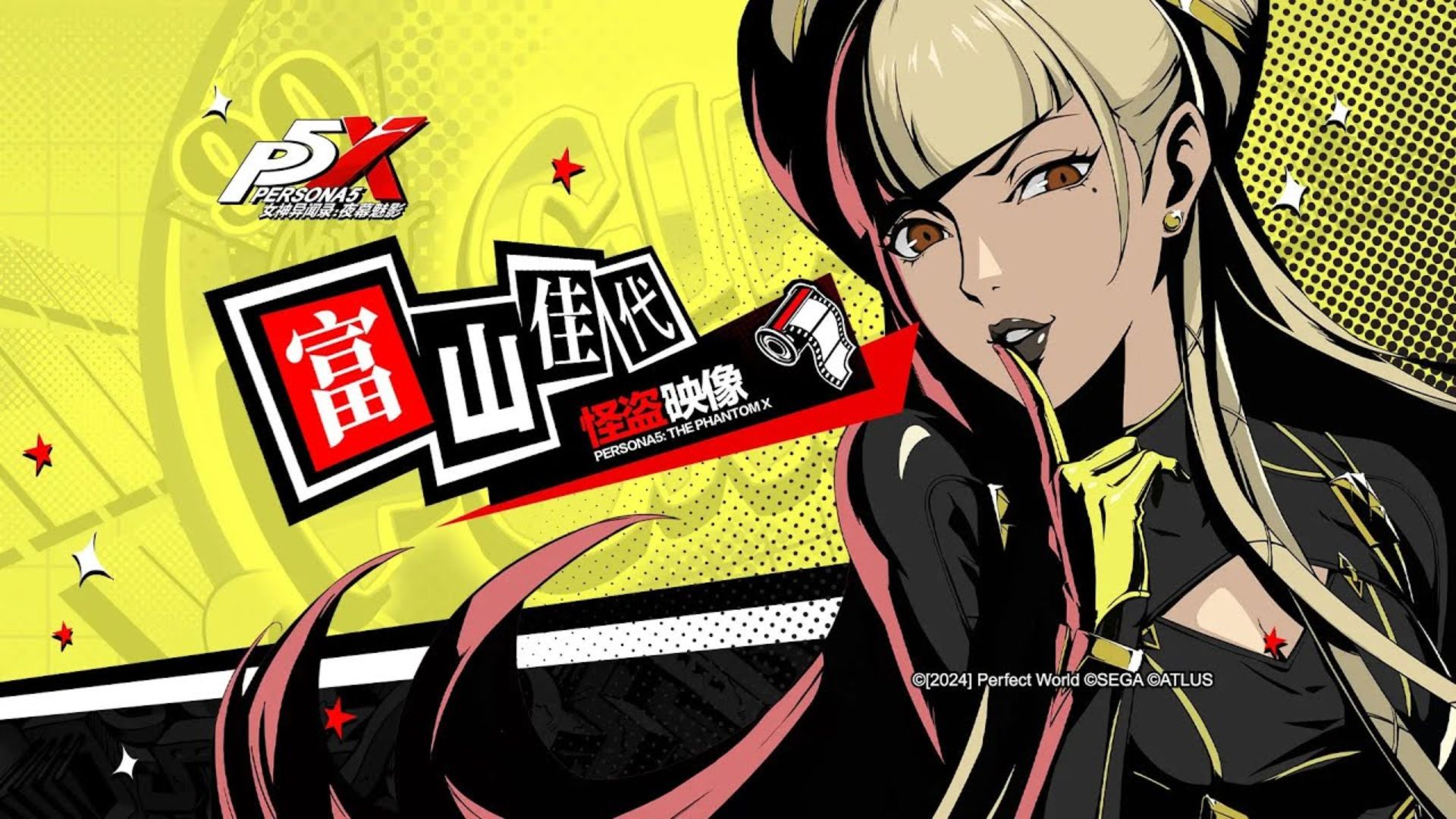
- Original Phantom Thieves and even SEES members appear as gacha-summonable allies and collab content, reframing them as guest units instead of story protagonists.
This lets P5X remix Persona 3 and 5 iconography while telling a parallel story under different rules.
Combat Differences: 1 More, Highlights, and Depth
The basic combat template, turn-based, elemental weaknesses, “1 More,” and All-Out Attacks, remains intact but with key twists.
- In P5X, 1 More is tied to character skills and a visible toughness meter; some enemies require multiple hits to be fully downed, adding more planning around break thresholds.
- Highlight attacks act as flashy, character-specific ultimates that trigger under particular conditions, effectively replacing Royal’s Showtime team-ups with solo finishers.
- Reviewers note that, despite being mobile-first, P5X often has more decision points per fight, with kits built around stacking debuffs, DoTs, and synergy rotations, especially in endgame modes.
The result is a battle system that feels familiar but tweaked toward team comps and long-term account building, rather than one-off story bosses only.
Exploration, Mementos, and Dungeon Design
Rather than shrinking dungeons for mobile, P5X uses a surprisingly full-fat exploration model.
- Palaces are fully realized, with stealth, grappling hook routes, puzzles, chests, and side paths much like Persona 5’s dungeons.
- Mementos returns as a central hub for exploration, progression, and access to Palaces, no longer just a simple procedural maze but a layered space with events and objectives.
Hands-on previews emphasize that exploration “passes the test” for a Persona mobile game, feeling like a genuine spin-off rather than a watered-down side mode.
Social Systems, Bonds, and Time Management
P5X keeps the core Persona loop, go to school, hang out, boost Social Stats, but adjusts it for a gacha framework.
- Synergy Bonds (P5X’s Confidants) go up to 20 internal stages, often tied more directly to combat and resource systems than Royal’s heavily narrative-driven arcs.
- Instead of a fixed daily calendar, stamina and AP caps act as the primary time gates, limiting how many battles or life-sim actions you can do per session.
This makes Bonds and activities feel more like account progression systems, with gacha rewards and endgame bonuses, than purely story devices, which some fans love for min-maxing and others see as a loss of emotional depth.
Monetization, Fairness, and Player Reception
The biggest structural difference is monetization: P5X is free-to-play with multi-layered gacha, passes, and resource systems.
- On one hand, critics argue the energy systems, long Bond ladders, and grindier rotations are “everything wrong with gacha,” extending progression and tempting spending.
- On the other, many players consider P5X surprisingly fair for F2P, with strong unit viability, deep combat, and rich content available without mandatory spending, especially for planners.
Taken together, what makes Persona 5 The Phantom X unique is how it transplants the full Persona 5 formula into a modern gacha/live-service shell, keeping core style, turn-based combat, and social life sim while changing how time, power, and character acquisition work over months and years instead of just one school year.