Arknights Endfield Story Structure and Narrative Style Compared to Mainline Arknights

Arknights: Endfield tells a bigger, more linear “frontier sci‑fi” story with heavy cutscenes and slower early pacing, while mainline Arknights feels like a sharper, episode‑driven war drama built around operations and crisis arcs. The two share tone and themes, but differ a lot in how they structure chapters, introduce villains, and use you (the player) as a character.
Overall Story Structure
- Mainline Arknights:
- Built as episode-based arcs (Episode 0, 1–X, events) where each chapter focuses on a specific city, faction, or crisis like Chernobog or Lungmen.
- Stories are mostly delivered via VN-style dialogue around stages, and the overall plot is a chain of tightly scoped crises that gradually reveal Terra’s big picture.
- Endfield:
- Launch story is more of a continuous campaign on Talos-II, following the Endministrator and Endfield Industries through major regions like Valley IV and Wuling.
- Early reviewers describe the opening as exposition-heavy and stop‑start, with multiple time skips and a slow ramp before the main conflict and antagonists crystallize.
Where Arknights parcels story into discrete “operations with lore,” Endfield leans toward a single, continuous narrative with larger, more cinematic beats.
Narrative Style and Pacing
- Mainline Arknights style:
- Endfield’s style:
- Community impressions call the launch story slower and safer at the start, spending a lot of time explaining Talos-II’s systems, the AIC, and day‑to‑day logistics before introducing a strong main villain.
- The first chapter is often described as serviceable but lacking a strong hook; the story becomes much more engaging once Wuling and the deeper conflicts around Nefarith, the Foundation, and the Endministrator’s past come into focus.
Players used to Arknights’ early gut‑punches may find Endfield’s intro more expository and gradual, with payoffs coming later in the region arc.
Protagonist Role and Perspective
- Doctor (Arknights):
- Endministrator (Endfield):
- Also amnesiac, but community analysis calls them a kind of “bizarro Doctor”: a famous historical figure revived into a world that already reveres and trusts them.
- Narrative criticism notes that this makes early chapters feel less tense: everyone likes you on sight, and Aggeloi initially feel more like dangerous fauna than existential enemies.
- Later chapters complicate this image by confronting you with past actions, civil wars, and people who actively hate what you did before your long sleep, adding delayed bite to the premise.
So where Arknights starts with “mysterious, distrusted commander in a collapsing city,” Endfield starts with “legendary engineer reborn into a frontier project,” then works backwards to question that legacy.
Tone, Themes, and Villain Presentation
- Shared DNA:
- Both games share a grounded, melancholic sci‑fi tone: social inequality, survival in hostile environments, Originium‑related threats, and organizations caught between ethics and necessity.
- Community threads point out clear structural parallels between early Arknights plots and Endfield’s campaign, suggesting deliberate mirroring or “soft reimagining” rather than coincidence.
- Differences in execution:
- Arknights establishes Reunion and its leaders as compelling antagonists almost from the outset, with clear motives and tragic framing.
- Endfield is criticized for weak early antagonistic presence: Aggeloi feel abstract, and the true human enemies (like the Foundation and its Landbreaker agents) appear later, making early conflict feel less sharp.
- Once Wuling and later chapters hit, players report a “sudden escalation” in narrative hook, where your past with the Landbreakers and the ethics of your previous reign on Talos-II are aggressively questioned.
In short, both tackle big moral questions, but Arknights leads with them; Endfield builds slowly and then frontloads the hooks in its second act.
Presentation: Cutscenes and Integration with Gameplay
- Mainline Arknights:
- Primarily static VN panels, voiced segments, and occasional animated promos; story and gameplay are clearly separated by stage screens.
- Endfield:
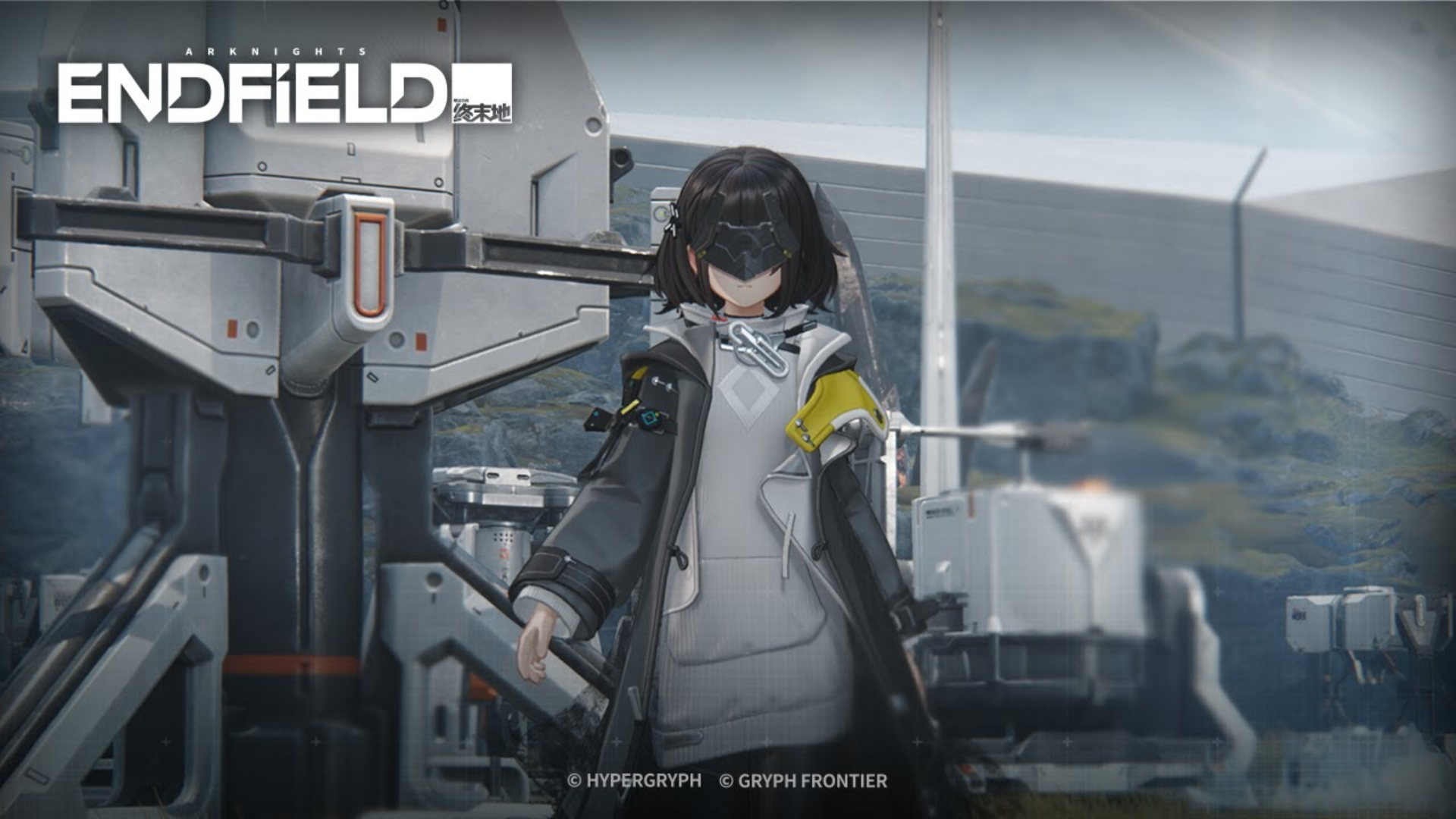
- Previews and interviews emphasize a heavier use of in-engine cutscenes and cinematic framing, integrating dialogue, exploration, and combat within the same 3D spaces.
- Writers use more on-field conversations and cinematic sequences to sell frontier life, industrial operations, and large-scale crises on Talos-II.
The result is that Endfield feels closer to a conventional 3D RPG in narrative delivery, while Arknights remains a VN‑plus‑TD hybrid.
For existing Arknights players, the takeaway is: Endfield keeps the familiar melancholy, politics, and “we might be in the wrong” questions, but wraps them in a slower, more cinematic, future‑era tale centered on Talos-II, where your once-heroic legacy is under quiet, growing interrogation instead of immediate catastrophe.