The Seven Deadly Sins Origin Co‑Op Guide: How Multiplayer Works And Why You Should Play With Friends
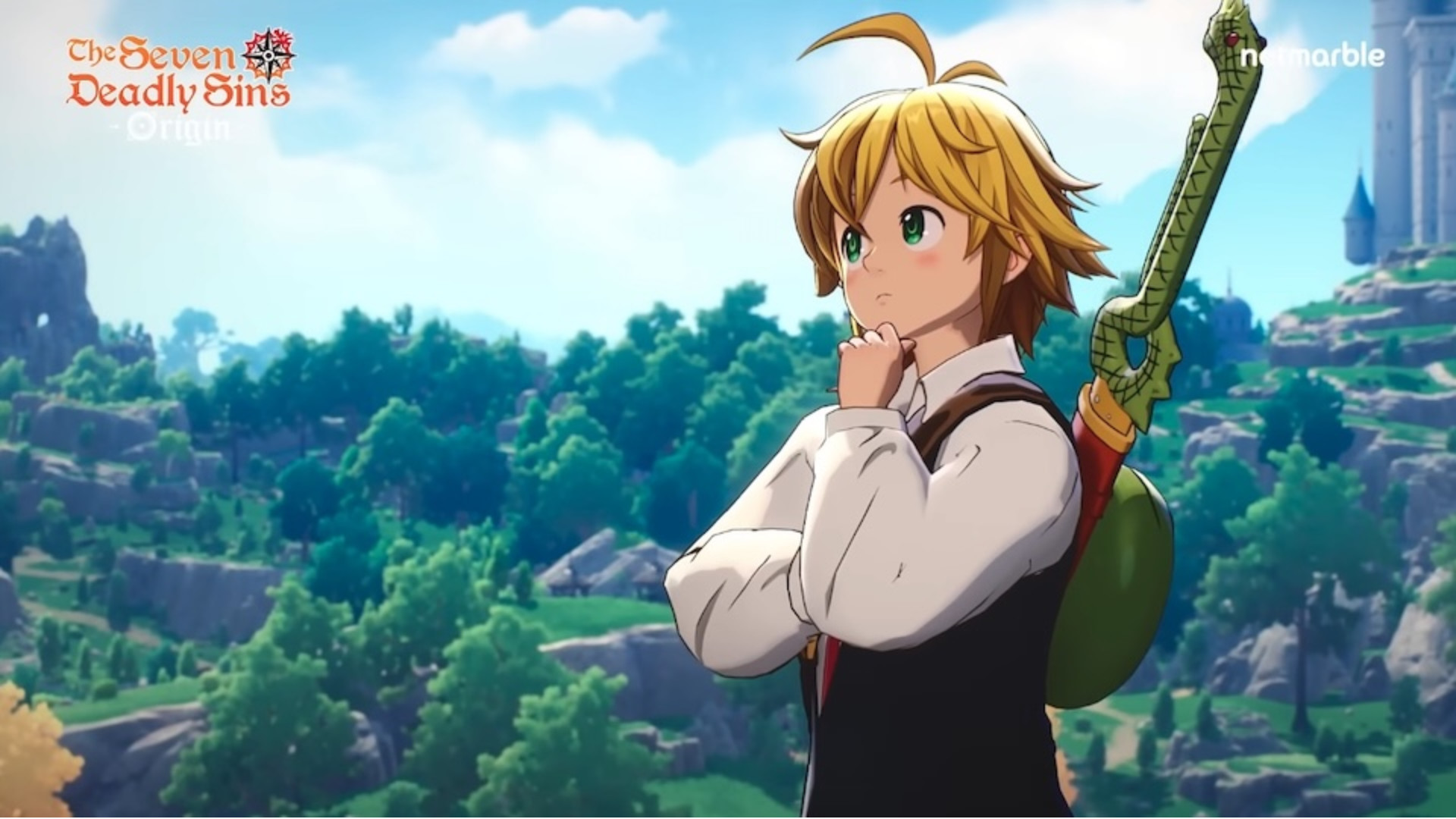
The Seven Deadly Sins Origin Artwork 5

The Seven Deadly Sins: Origin is built as a true co‑op ARPG: you can explore, clear dungeons, and fight massive bosses with up to three other players, each bringing a full four‑hero team into the same instance. Co‑op is optional, but raids and multiplayer events are some of the most rewarding and enjoyable content in the game, and are widely seen as a highlight of Origin’s design.​​

How co‑op and parties actually work

Origin mixes solo play with scalable multiplayer.

  • Party size and structure
    • The game supports up to 4‑player co‑op, letting you tackle dungeons and bosses as a group instead of solo.​​
    • Each player still controls a full four‑character party and can swap between their heroes during co‑op, so a full lobby can field up to 16 characters at once in big fights.​
  • Where you can play together
    • Co‑op is supported in:
      • Dungeon raids and large‑scale bosses, showcased in trailers as the centerpiece of multiplayer.​​
      • Challenging PvE dungeons and instanced content built specifically for teamwork.​​
      • Co‑op exploration segments, including dungeons and open‑world areas where players roam and solve content together.​
  • Optional, not mandatory
    • The campaign is fully playable solo, and PlayStation and Netmarble messaging emphasizes you can “hop into co‑op at your own pace” with no pressure to play online.

In practice, you play as normal, just with three other teams present, sharing objectives, damage windows, and mechanics.

Co‑op raids, bosses, and events

Most of the “real” multiplayer challenge and rewards sit in raid‑style content.

  • Cooperative raids and giant bosses
    • Official previews and trailers highlight large‑scale real‑time cooperative raid battles as a core pillar, where multiple players fight massive bosses with multi‑phase mechanics.​​
    • Boss attacks use huge red telegraph zones that can cover large parts of the arena, forcing everyone to dodge and coordinate.​
  • Time attack and dungeon modes
    • Multiplayer time‑attack stages can be played solo or in co‑op, giving extra incentive to run them with friends for faster, safer clears.​
  • Events and calendar
    • An events calendar tracks special raids, co‑op events, and updates, so there are always rotating multiplayer goals to chase.

Players who tried CBT report that these co‑op fights are “surprisingly enjoyable,” with coordination making a big difference in success and speed.

Why you should play with friends

Co‑op isn’t just a gimmick; it brings clear advantages.

  • Easier clears and better rewards
    • Raid bosses scale in intensity and are designed with teamwork in mind; organized groups handle mechanics, stagger phases, and secure kills far more consistently than solo attempts.
    • Multiplayer content is tuned to be some of the most rewarding PvE in the game, making it one of the best ways to farm certain materials and event rewards.
  • More fun combat and builds
    • Origin’s combat shines when players chain link‑up attacks, Burst timings, and tag skills across multiple teams, which is much more dynamic with real people than AI.​​
    • Co‑op lets you play niche supports or off‑meta roles that feel bad solo but amazing in a group (pure buffers, shielders, CC bots, etc.).
  • Social systems and long‑term groups
    • Knights Order (guild) system lets players create or join persistent groups, with planned guild bases and exclusive content to encourage long‑term co‑op play.
    • Early impressions and CBT wrap‑ups call multiplayer “one of the best parts of the game,” with matchmaking working well and co‑op fights standing out as a highlight.

If you’re planning to play Origin seriously, plugging into co‑op, whether with friends or an Order, will make progression smoother, more efficient, and more entertaining.

Basic co‑op tips and roles

To actually get value from co‑op instead of chaos, treat your group like a raid party.

  • Define roles
    • At least one main tank/frontliner (King‑type stance tanks, bruisers) to hold boss attention.
    • 1–2 burst DPS (Jericho, Deiane, Meliodas, Tristan) to capitalize on stagger and Burst windows.​
    • 1–2 supports/healers (Daisy, Elaine, Elizabeth, King) rotating shields, heals, and buffs.​​
  • Coordinate Burst and tag skills
    • Watch each character’s elemental Ultimate icon, which lights up even when off‑field, and plan swaps so multiple players Burst into the same window.​
    • Use CC (Wind pulls, Cold freezes, Earth shields) to create safe damage windows for everyone.​​
  • Learn mechanics together
    • Treat big co‑op bosses like MMO encounters:
      • Call out red telegraph zones.​
      • Assign who handles adds, mechanics, and stagger.

Handled this way, The Seven Deadly Sins: Origin’s co‑op becomes more than “just” matchmaking; it’s a central endgame pillar that rewards planning roles and playing with a consistent group of friends.

Jake is an SEO-minded Football, Combat Sports, Gaming and Pro Wrestling writer and successful Editor in Chief. Most importantly, he is a Gacha players who specialises in Genshin Impact. On top of that, Jake has more than ten years of experience covering mixed martial arts, pro wrestling, football and gaming across a number of publications, starting at SEScoops in 2012 under the name Jake Jeremy. His work has also been featured on Sportskeeda, Pro Sports Extra, Wrestling Headlines, NoobFeed, Wrestlingnewsco and Keen Gamer, again under the name Jake Jeremy. Previously, he worked as the Editor in Chief of 24Wrestling, building the site profile with a view to selling the domain, which was accomplished in 2019. Jake was previously the Editor in Chief for Fight Fans, a combat sports and pro wrestling site that was launched in January 2021 and broke into millions of pageviews within the first two years. He previously worked for Snack Media and their GiveMeSport site, creating Evergreen and Trending content that would deliver pageviews via Google as the UFC and MMA SEO Lead. Jake managed to take an area of GiveMeSport that had zero traction on Organic and push it to audiences across the globe. Jake also has a record of long-term video and written interview content with the likes of the Professional Fighters League, ONE and Cage Warriors, working directly with the brands to promote bouts, fighters and special events. Jake also previously worked for the biggest independent wrestling company in the UK, PROGRESS Wrestling, as PR Head and Head of Media across the social channels of the company.