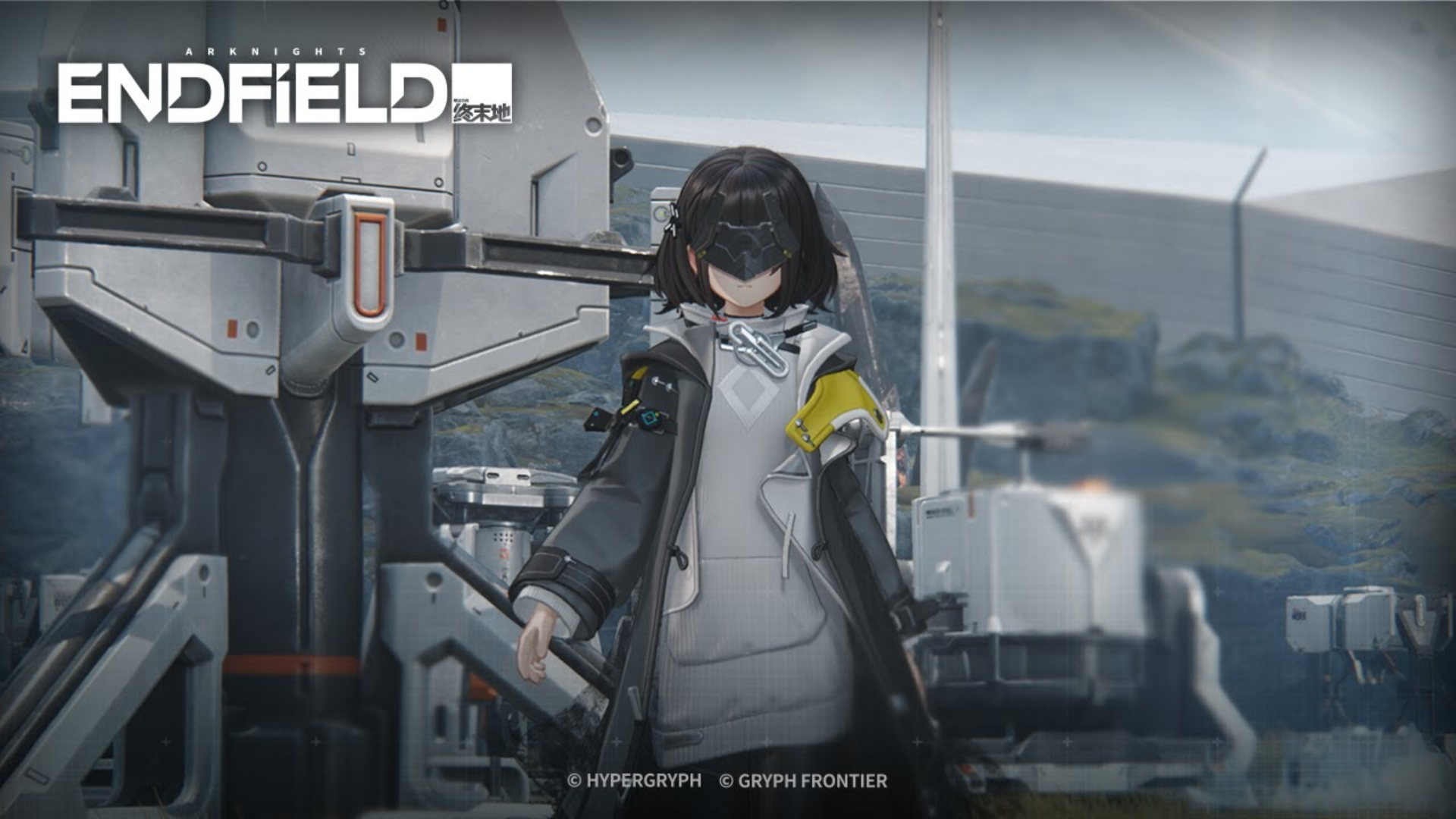
Arknights Endfield Manual vs Auto Combat – When to Use Each Mode
Manual combat is best for any fight that matters (bosses, hard story, resource stages you might fail), while auto or “semi‑auto” is only safe for trivial content and farming once your team is overpowered. Endfield’s stagger, Perfect Dodge, and reaction systems are tuned for active play, so full automation is inherently worse at handling tight mechanics.

How Combat Control Actually Works
Endfield does not have a classic “full auto battle” like many gachas; it uses hybrid control.
- You directly control one operator at a time (movement, dodges, skills), while the other three auto‑attack nearby enemies and reposition on their own.
- AI teammates do not automatically use Battle Skills or Ultimates; you must press those manually or when you swap to them.
- Basic attacks are animation‑locked chains, but recent beta updates let you dodge without breaking the combo, keeping fights more responsive.
So “auto” in Endfield really means “AI performs basic attacks for the three inactive units,” not a fully scripted auto‑battle that handles mechanics for you.
When to Use Manual Control
Manual play is strongly recommended whenever mechanics or failure risk matter. Use full manual (actively swapping and dodging) for:
- Bosses and elite-heavy stages – You need to Perfect Dodge red telegraphs, parry charge‑ups, and time Finishers when Stagger hits full.
- High-difficulty / endgame content – Guides emphasize that stagger nodes, reaction timing, and Vulnerable stacks require deliberate skill usage and swaps that the AI does not optimize.
- Elemental reaction setups – To trigger Arts Bursts and specific reactions (Combustion, Solidify, etc.), you must actively choose which element to apply next; leaving it to auto can overwrite or waste procs.
Preview and impressions articles repeatedly compare Endfield combat to a “real action game” where manual dodging and skill timing decide success.
When “Auto” (Semi-Auto) Is Acceptable
Semi‑auto (you only occasionally swap or press skills) works only when stages are far below your power level.
- Low-level story farming and node clears – If enemies die to basic attacks and you barely take damage, letting the inactive units auto‑attack while you lazily press skills is fine.
- Routine resource stages you already outgear – Once your main team is significantly above a node’s level, you can run it with minimal input to burn stamina quickly.
Community feedback notes that Endfield’s combat “looks busier than it is” when overgeared; in those situations, you can effectively treat it like an auto‑farm game with occasional Ultimates pressed.
Why Manual Is Strictly Better for Difficult Content
Several mechanics simply cannot be handled optimally by AI auto‑attacks.
- Perfect Dodge and Parry – These require precise timing on red flashes and charge‑up indicators to avoid heavy hits and gain SP; AI basic attacks will just eat damage.
- Stagger and Finisher alignment – Building Stagger, then landing a Finisher at the right moment to maximize SP and burst is a manual decision the AI does not coordinate with your whole squad.
- Reaction and Vulnerable planning – Deciding when to apply elements, when to add Lift/Knock Down, and when to spend stacks with Crush/Breach is core to high‑level play.
Combat overviews make it clear the system is designed around player‑driven loops: build stagger, Perfect Dodge, trigger reactions, then burst—something full auto is not built to replicate.
Practical Recommendations
For efficient progression without burning out:
- Use full manual for:
- New story chapters, bosses, challenge missions, and any stage you can’t comfortably clear.
- Use semi‑auto for:
- Old, trivial stages where enemies melt to basics and you’re just dumping stamina.
Treat Endfield as a manual-first action RPG where auto‑attacking allies are helpers, not a substitute for proper dodging, positioning, and skill timing.