Another Eden Gacha & Chronos Stones Explained (Free vs Paid, Pity, Star Dreams, F2P Value)
Another Eden’s gacha is unusually generous for a mobile RPG, but understanding Chronos Stones, free vs paid pulls, and Star Dreams is vital if you care about long-term value. This guide explains how the system works and how free-to-play players can get the most out of it.
Gacha basics and banner types
In Another Eden, the gacha only sells characters, not gear, and most banners use a standard 10-pull structure with increasing odds of 4★–5★ units. New and returning banners rotate regularly, but there is no traditional hard pity on normal encounters, so most value comes from special banners and long-term Stone management.
Because there is no classic spark system, players treat paid fatefuls and Star Dream mechanics as the closest thing to a targeted pity.
Free vs paid Chronos Stones
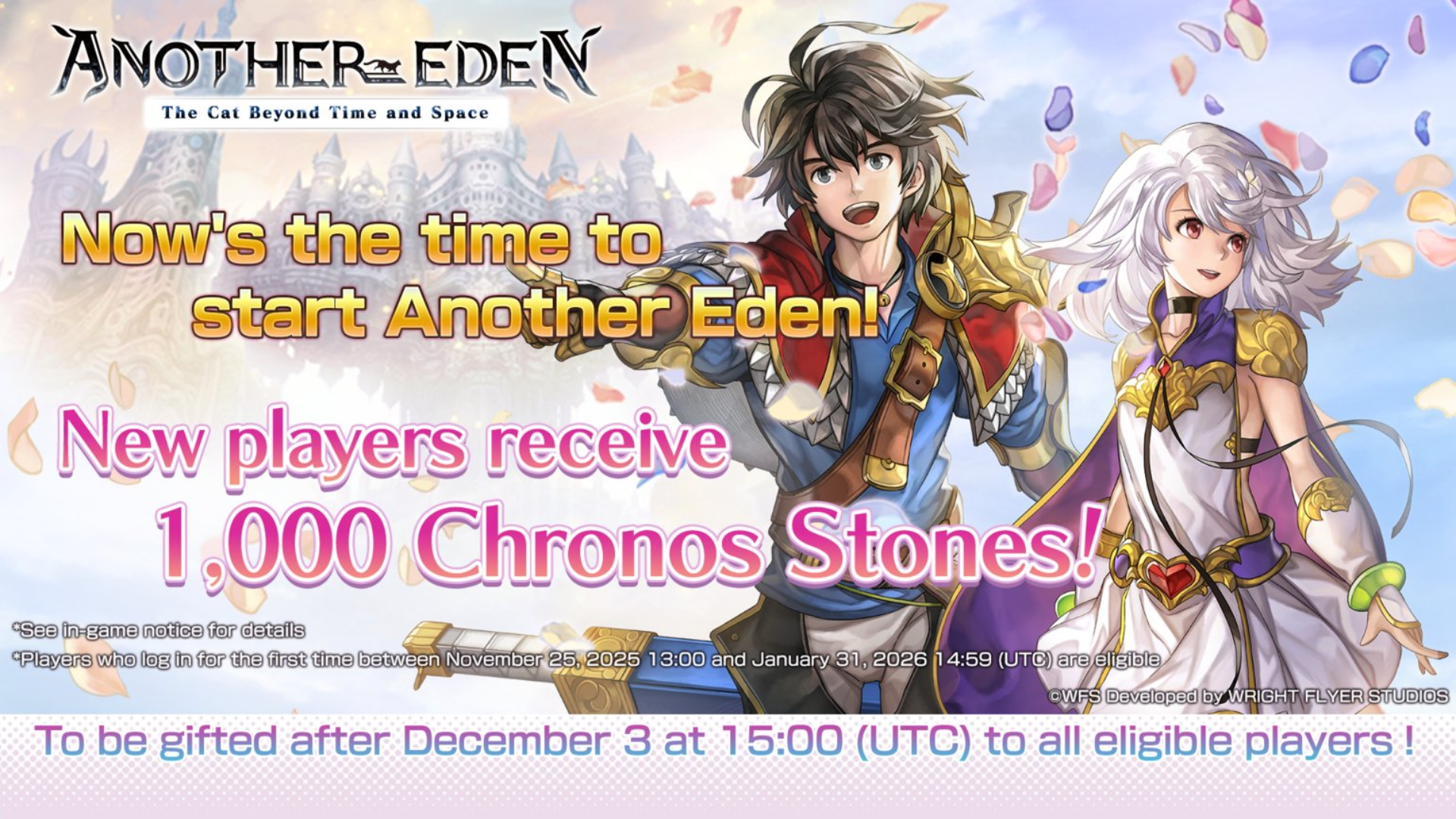
Chronos Stones come in two types: free (earned in-game) and paid (bought with real money), and they are treated differently by some banners. Normal encounters accept both, but most fateful encounters and some high-value banners are locked to paid Stones only, effectively separating F2P and paying players’ options.
For long-term value, most community advice is to keep free Stones for big, high-impact banners and avoid using them on revives or low-value singles.
Star Dreams, pseudo-pity, and safety nets
Star Dream mechanics and similar special items act as a subtle pity system, allowing you to pick a unit after specific paid pulls or packs. These usually appear during anniversaries or campaigns where a fateful encounter includes a Star Dream piece that can be exchanged for a chosen 5★ from a defined pool.
From a spender’s perspective, Star Dreams are the best way to eliminate pure luck when chasing a key unit, as you can plan a limited number of paid pulls to secure them eventually. Free-to-play players, however, will rarely interact with Star Dreams directly and should instead see them as an extra advantage for light spenders rather than a core system.
F2P value and recommended spending habits
Another Eden is widely regarded as one of the more F2P-friendly gacha games because there is no PvP, stamina pressure is mild, and power creep is relatively slow compared with many contemporaries. The lack of a harsh pity is offset by a huge amount of free Stones from story, long-term events, and daily routines, letting patient players build powerful rosters without spending.
For F2P players, strong value habits include: saving Stones for anniversaries and strong general banners, avoiding revives and impulsive singles, and focusing on a few banners a year instead of spreading pulls everywhere. Light spenders get the best value by targeting bundles that include fateful encounters or Star Dream pieces, as these combine guaranteed 5★ pulls with selection power.
Useful external resources for deeper optimisation and banner choices include:
- Beginner FAQ with gacha and Stone tips: https://www.reddit.com/r/AnotherEdenGlobal/wiki/index/faq/
- Community discussion on Stone spending: https://www.reddit.com/r/AnotherEdenGlobal/comments/st4r2y/how_do_you_spend_your_chrono_stones/
- Gacha breakdown and banner advice video: https://www.youtube.com/watch?v=aAvORwmn0Ko
- 2025 beginner overview and value talk: https://www.youtube.com/watch?v=shgEqMOFn5o